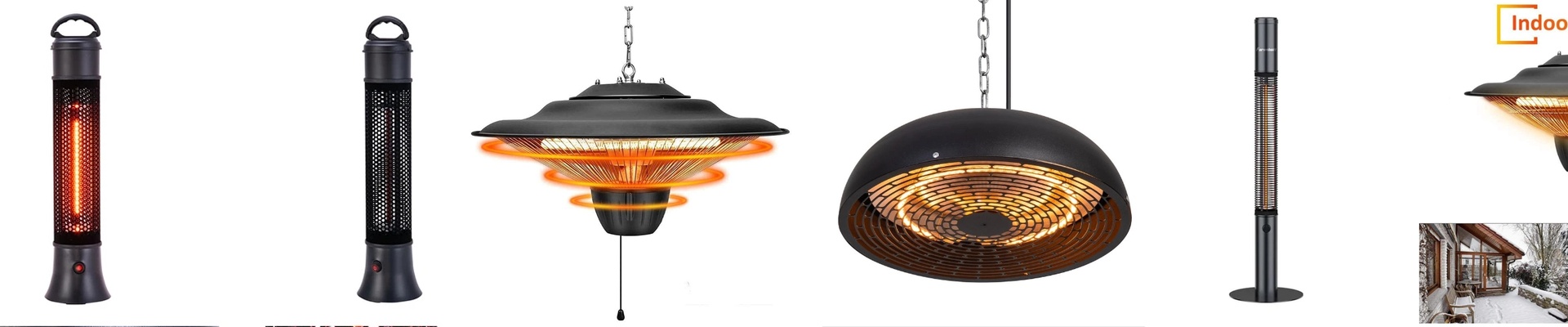
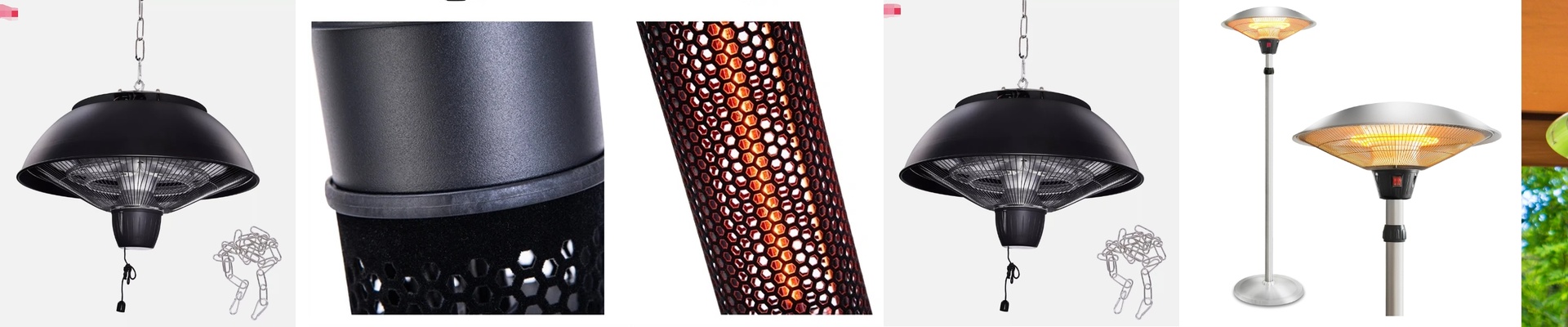



Back in the shop, when we’re chasing reliable infrared warmth, it all comes down to a single spec: 0.1mm. That tight tolerance on the gold coating inside the quartz tube isn’t just nitpicking—it’s the line between steady, even heat and a unit that starts to drift. When you’re spec’ing a basement electric heater and you need predictable comfort, that kind of control is exactly what matters.
What actually matters, technically
We build our radiant electric heater around a quartz infrared element, finished with a gold coating applied to a precise thickness. The coating directs the heat where you want it, instead of letting it bleed off into the surrounding air. The payoff is instant radiant warmth that feels natural, with no fan noise. You can choose 120V or 240V to match standard home circuits, and the built-in thermostat holds the temperature steady.
Why this approach fits basements
Basements have their own quirks—cold floors, uneven air, and that lingering damp feel. A basement electric heater that uses radiant heat warms people and surfaces directly, so you feel comfortable faster, without waiting for the whole room to come up to temperature. That matters when you’re turning a finished basement into a real living space, whether you’re watching a movie, stretching after a workout, or having family over. The focused warmth helps keep the air from feeling heavy, and the quiet operation keeps the room calm.
The practical details you can’t skip
Radiant heat is directional by design, so placement is the make-or-break detail. Aim the heater toward the main seating area and keep a clear distance from walls and objects—stick to the clearances in the manual. For the best results, pair it with gentle air movement to cut down on stratification. And because basements can run humid, confirm the unit’s environment rating up front. This heater is engineered for dry indoor spaces, not damp or wet areas.