

Keeping Wet Rooms Warm Without the Headache
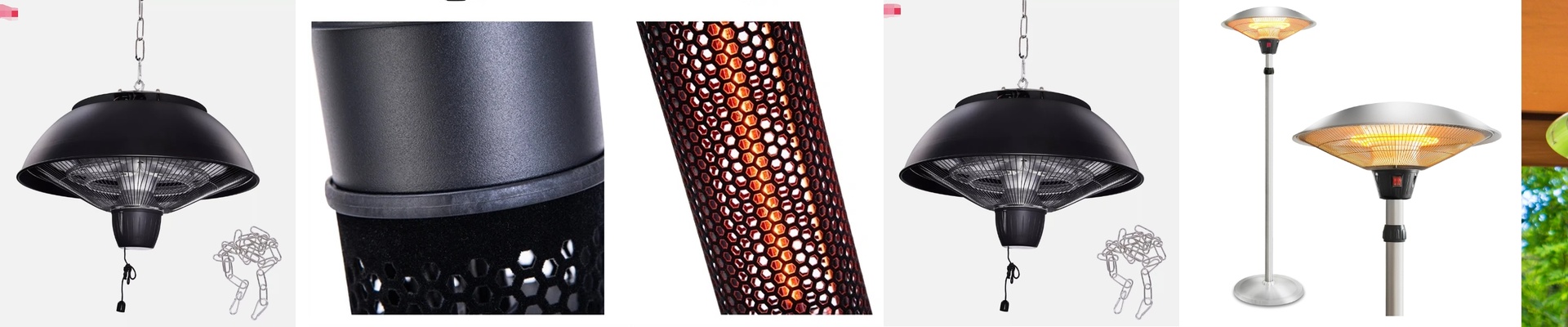
Let’s be honest: changing rooms and spa areas are a nightmare to heat. You’ve got people walking in dripping wet, the air is thick with steam, and you’re dealing with electricity. It’s a recipe for disaster if you aren’t careful. We handle this by using shortwave infrared heaters tucked inside IP44-rated housings. Here is why that actually matters for your space. Heat that hits you instantly Most heaters try to warm up the air. The problem? In a drafty locker room, that warm air just floats away. Infrared is different. It doesn’t mess around with the air; it sends energy straight to the surface it hits. The second you flip the switch, the filaments heat up in a heartbeat. No waiting around for a radiator to wake up. You just feel that warmth on your skin immediately. It’s the difference between waiting for a room to warm up and actually feeling warm the moment you step inside. Dealing with the damp When you’re dealing with splashes and heavy humidity, you can’t just put any heater on the wall. That’s where the IP44 rating comes in. Basically, it means the unit is built to shrug off splashes from any direction and keep out small debris. We’ve sealed the housing and the electrical junctions tight. This keeps the moisture away from the live wires, so you don’t have to worry about the whole system shorting out just because the room got a bit steamy. A few things to keep in mind Now, these lamps pack a punch. They put out a lot of heat, which is great for speed, but you have to be smart about the setup. Make sure your wiring and circuit breakers can handle the initial surge of power. And a word of advice: don’t crowd too many of them into one tiny spot. If you do, you might actually start overheating your ceiling materials. It’s always better to do a bit of math on the room’s size and wall materials first. It saves power and keeps things safe. Setting them up The best part? These are pretty much “plug and play.” They fit right into standard wall or ceiling mounts. Since there are no fans or blowers, there are no moving parts to break or get clogged with dust. Just one tip: place your sensors away from the direct heat path. Otherwise, the unit will think the room is hotter than it actually is and shut off too early.