

Getting Glass Annealing Right with Infrared
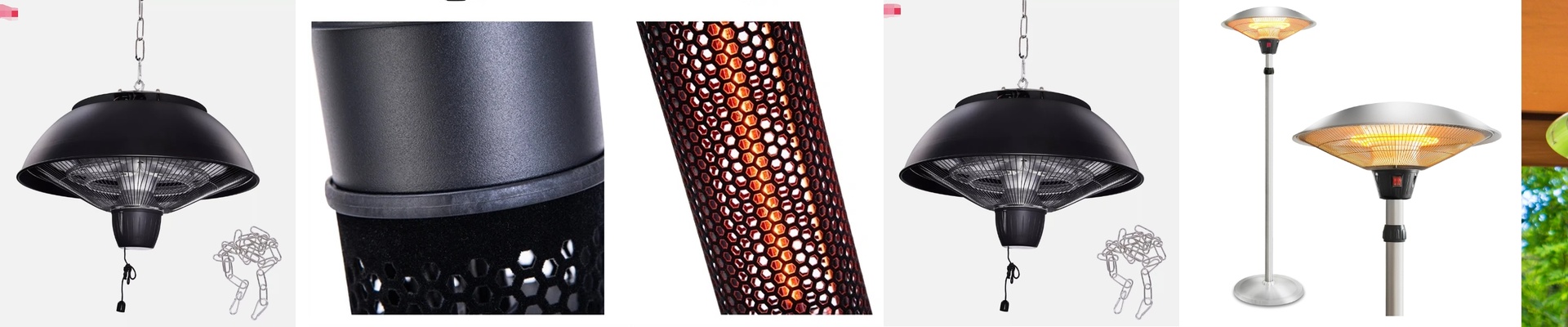
If you’ve ever had a piece of lab glassware just… shatter for no apparent reason, you know the frustration. It usually comes down to internal stress. If your heating profile drifts by even a few degrees during annealing, you’re basically playing Russian roulette with your equipment. That’s why we use custom quartz infrared heaters. We aim for a 0.1°C precision window. It sounds obsessive, but it keeps the glass moving through that critical annealing point without creating new thermal gradients that lead to cracks. The fight against thermal lag Glass has a tiny window where you can strip out the stress without the whole thing losing its shape. This is where physics gets picky. Standard resistive heaters are too slow; they have this annoying “thermal lag” where the heat takes forever to catch up. Infrared is different. It hits the glass surface instantly. Because it’s so fast, your PID controller can make tiny, real-time tweaks. No more “overshooting” the temperature and ending up with a pile of shards. Why quartz? We house the heating filaments in high-purity quartz tubing. The reason is simple: quartz lets short-wave IR pass right through. The energy goes straight into the glass container instead of soaking into the oven chassis. You get a much tighter thermal footprint. But here’s the catch—these tubes are fragile. They can’t take a hit. Even something as small as a fingerprint or a bit of oil from your skin during installation can cause the quartz to fail once it gets hot.**Wear gloves.**Be gentle with the wiring. If you put mechanical stress on the ends, they’ll snap. Avoiding the “Cold Spot” Trap For this to actually work, the power density has to be dead-even across the entire vessel. We spend a lot of time calibrating the wattage per centimeter to make sure there are no cold spots. Think about it: if one section of your glass is just 2°C cooler than the rest, you’ve essentially built a ticking time bomb into your glassware. Precise IR control just takes that risk off the table.