
Getting the Most From Your Umbrella Heater: A Real-World Guide to Height and Angle
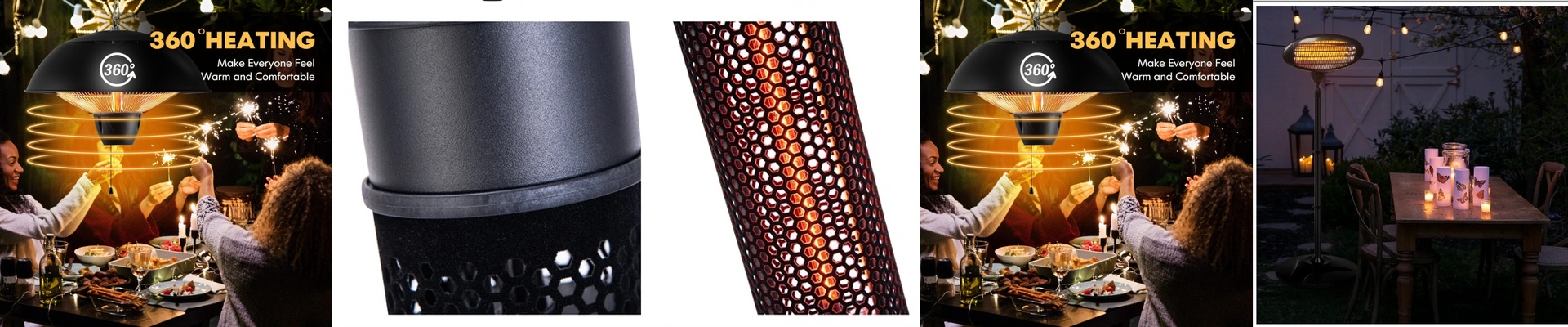
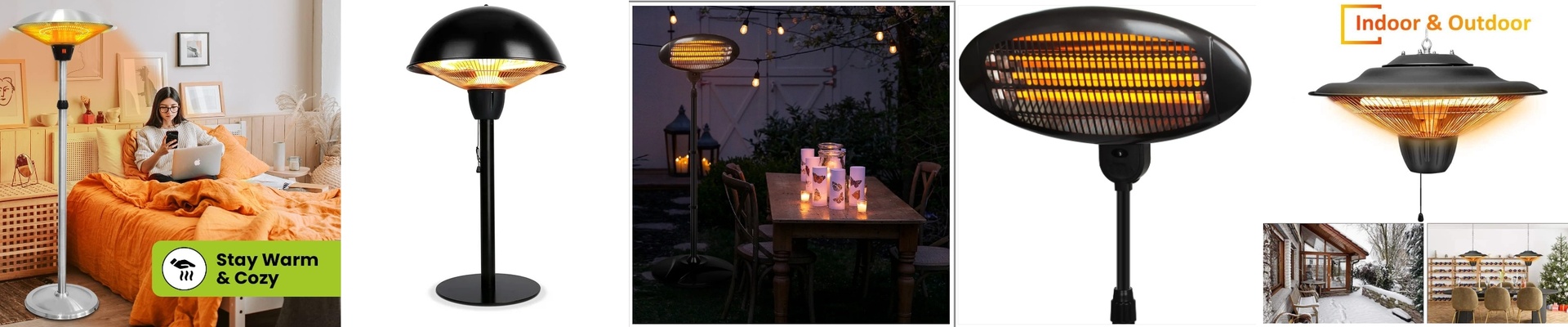
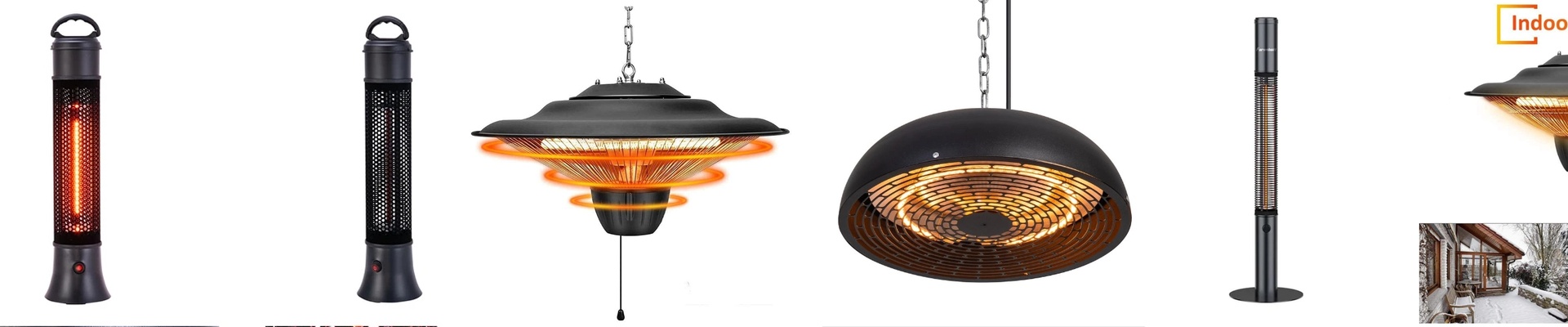
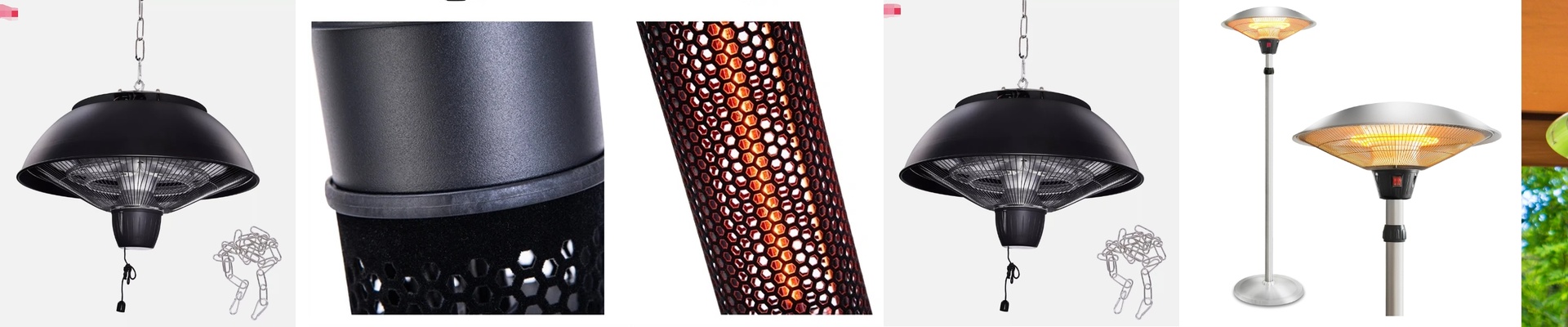
Let’s cut to the chase: umbrella infrared heaters are built for one thing—making outdoor and semi-open spaces actually comfortable. They shine when you need heat right where you want it, not wafting around in the air. But they only work their best when you set them up right. Get the height or angle off, and you’ll feel it—in the cold spots and the wasted energy.
How Radiant Heat Actually Works
Infrared heat is all about line of sight. The heater sends energy straight out, warming objects and people directly. Two things matter most: how powerful the unit is (wattage), and how far it is from the target (mounting height). Here’s the part people miss: if you double the distance, the heat intensity drops to a quarter of what it was. That’s why height is so important. For most homes, aim for a mounting height between 2.0 and 2.5 meters. That sweet spot gives you broad coverage while keeping enough punch to feel the warmth on the floor. For bigger commercial spots, you might go higher—3 meters or more—to cover more ground. Just remember, the higher you go, the more the heat spreads out. Compensate with stronger units or more heaters.
Angle Matters—Maybe Even More Than You Think
Height gets you in the ballpark. Angle wins the game. You get the best coverage when the radiant beam hits the target area at around 45 degrees. That angle spreads the warmth evenly and keeps glare to a minimum. If you tilt the heater too far down, you’ll get a hot spot right under it and cold edges. Tilt it too shallow, and the heat drifts up and away. So set the angle to match the space. Adjust the mount until the outer edge of the heat pattern lands exactly where you want the comfort zone to end. That way, the whole area gets steady warmth, not a patchy mess.
Practical Setup: Get It Right the First Time
The best installations are the ones you don’t notice—just consistent warmth where you need it. Start by mapping the area you want to heat. Then pick a wattage that matches the size of the space and how well it’s insulated. Mount the heater at the height you calculated, then tweak the angle. Use an infrared thermometer to check the temperature across the whole zone. A little back-and-forth here makes a big difference. Sometimes real-world testing beats any spreadsheet. One more thing: higher-wattage units put out serious heat. Make sure your electrical circuit and the surrounding equipment can handle the load and the extra warmth.
The Specs Behind the Heat: Power, Voltage, and Size
The numbers aren’t random—they’re tied to how the heater performs in real life.
Power and Heat Output
Wattage directly drives heat output. A 1500W heater gives you noticeably more radiant energy than a 1000W model. For a typical home patio, one 1500W unit is usually enough. For larger commercial spaces, you may need multiple heaters or higher-wattage models. Match the power to the square footage. Too little power, and you’ll be cold. Too much, and you’ll waste energy and create harsh hot spots.
Voltage
Most umbrella heaters run on standard 120V or 240V circuits. The voltage is set based on the element’s resistance and the power the unit is designed to deliver. Using the wrong voltage is a fast track to trouble. Plug a 240V heater into a 120V outlet, and you’ll get about a quarter of the power. It won’t feel warm. Plug a 120V heater into a 240V outlet, and the element can burn out almost instantly. Always check your supply voltage before you wire anything.
Size and Shape
The length and diameter of the heating tube shape the radiant surface. A longer tube means a larger surface area, which helps spread heat more evenly. The overall design—reflector and housing—directs heat downward in a focused pattern. The reflector is shaped to keep infrared energy aimed where you want it, not lost on the ceiling or walls.
The Components That Make It Reliable
A heater is only as good as the parts inside it. Here’s what matters.
The Halogen Element Inside a Quartz Tube
The core of the system is the halogen element, sealed inside a quartz tube. Why this combo? It heats up fast and runs efficiently. The halogen gas inside lets the element hit operating temperature within seconds, so you feel warmth almost immediately. Quartz is ideal because it lets infrared energy pass through cleanly. It also handles extreme heat without breaking down. That’s why it holds up outdoors, where weather and temperature swings are part of the job.
The Reflector Coating
Behind the element sits the reflector, coated with a highly reflective material—often anodized aluminum or a specialized ceramic coating. This coating reflects over 95% of the infrared energy forward. Without it, a lot of heat would go backward, warming the housing instead of the people below. A good reflector keeps the energy focused downward where it’s useful.
The Connectors: R7s and Sk15
Connectors do more than just complete the circuit. They keep the connection secure through heat, vibration, and weather. The R7s connector is standard for linear halogen tubes. It locks in tight and handles repeated heating and cooling without getting loose. The Sk15 is a rugged option built for industrial use. It resists heat and moisture, and it stays put even when things shake. Both connector types are designed to prevent arcing and keep the electrical connection steady over the life of the heater.
Why This Design Works in the Real World
Umbrella heaters aren’t just about making a space warmer—they solve real problems.
Heat Where You Need It
Forced-air heaters waste energy heating air that drifts away. Infrared umbrella heaters cut through that inefficiency by warming people and objects directly. That targeted approach means you use less energy for the same comfort. For engineers and designers, that translates into lower operating costs and less demand on electrical service.
Installation That Doesn’t Feel Like a Construction Project
These heaters are meant to be installed without drama. Mount them on poles, ceilings, or walls with standard hardware. The connectors—R7s and Sk15—are industry-standard, so wiring is straightforward for any electrician. They’re compact and light, which makes them easy to fit into existing spaces. For retrofits, that’s a big win. You can add effective heating without tearing things apart.
Strong Heat, Built to Last
The combination of halogen element, quartz tube, and reflective coating delivers high heat density in a small package. And the build is tough. The quartz tube handles thermal shock, and the housing stands up to weather. The unit keeps performing in wind and damp conditions. That reliability means fewer service calls and longer life—exactly what you want in a commercial setting.
Keeping Expectations Real
Umbrella heaters are highly effective, but they’re not magic. In extremely cold climates, they work best as supplemental heat, not the sole source. They’re designed to create a comfortable microclimate in a specific zone, not to raise the overall temperature of an uninsulated space. That trade-off is fair: you get focused, efficient warmth where you need it. Just understand the limits of radiant heat in harsh conditions. When applied correctly, this approach makes outdoor and semi-enclosed areas usable—even when the season turns.