
On the line, the conveyor doesn’t care how hot the glass gets. It cares that it gets hot the same way, every time. כשמגיעים לקו הייצור, מערכת ההובלה לא מתייחסת לטמפרטורה המדויקת שאליה מגיע הזכוכית. מה שחשוב הוא שהחימום יהיה אחיד ויציב בכל פעם.
When heat is slow or uneven, you pay for it immediately. Tempered parts show optical distortion. Bent glazing carries roller marks. Lamination bond strength drops. Coatings cure in streaks. And safety takes a hit—when the furnace door lags or zones fight, thermal stress climbs and breakage follows. כאשר החימום איטי או לא אחיד, התוצאות ניכרות מיידית: חלקים מזוגגים מראים עיוותים אופטיים, זכוכית מעוקלת נושאת סימני גלגלים, חוזק ההדבקה בלמינציה יורד, הציפויים מתקשים בפסים, והבטיחות נפגעת—כאשר דלת התנור מאחרת או שיש מאבק בין האזורים, הלחץ התרמי עולה ונגרמים שברים.
Infrared heating for glass finishing isn’t a trend. It’s a practical way to control heat the way glass demands—fast, directional, and repeatable. חימום באינפרא-אדום לסיום זכוכית אינו טרנד, אלא שיטה מעשית לשליטה בחום בהתאם לדרישות הזכוכית—מהיר, מכוון וניתן לשכפול.
What actually matters
מה שבאמת חשוב
Infrared heating for glass finishing leans on NIR (Near-Infrared) emitters—typically quartz-halogen or short-wave quartz elements—built to deliver high power density with quick response. The idea is straightforward: put the energy where it does the work—straight into the glass—instead of heating air and hoping it transfers. חימום אינפרא-אדום לסיום זכוכית מבוסס על מפיצי NIR (Near-Infrared)—בדרך כלל אלמנטים של קוורץ-הלוגן או קוורץ גל קצר—המיועדים לספק צפיפות הספק גבוהה עם תגובה מהירה. הרעיון פשוט: להעביר את האנרגיה ישירות לזכוכית, במקום לחמם את האוויר ולקוות להעברה.
On a production line, the specs that decide whether it works are power, temperature control, and uniformity across the field. בקו הייצור, המאפיינים שקובעים האם המערכת עובדת הם הספק, שליטה בטמפרטורה ואחידות בשטח החימום.
-
Power density and response time: Industrial IR modules deliver high flux in a tight zone, which means rapid heating and short dwell. In practice, you can shrink the heating section without sacrificing output.
-
צפיפות הספק וזמן תגובה: מודולים תעשייתיים של IR מספקים פלוקס גבוה באזור מצומצם, מה שמאפשר חימום מהיר וזמן שהייה קצר. בפועל, ניתן לצמצם את אזור החימום מבלי להוריד תפוקה.
-
Peak wavelength and absorption: Glass absorbs strongly in the near-infrared. Matching the emitter spectrum to the glass emissivity is what makes IR efficient—heat goes into the sheet, not the surroundings.
-
אורך גל שיא וקליטה: הזכוכית סופגת חזק בתחום הניר-אינפרא. התאמת ספקטרום הפליטה של המפיץ לאמיסיביות של הזכוכית היא מה שגורם ליעילות ה-IR—החום נכנס ללוח ולא לסביבה.
-
Zone control and uniformity: Rejects on production glass are rarely random. They cluster at edges, at joints, or in repeating patterns. Multi-zone IR arrays with independent power and closed-loop temperature control keep the thermal field flat, so you don’t get hot spots or cold seams.
-
שליטה באזורים ואחידות: פסילות בזכוכית בייצור הן בדרך כלל לא אקראיות. הן מתרכזות בקצוות, במפרקים או בתבניות חוזרות. מערכי IR מרובי אזורים עם הספק עצמאי ושליטה בטמפרטורה בלולאה סגורה שומרים על שדה תרמי אחיד, כך שאין נקודות חמות או תפרים קרים.
-
Thermal profile repeatability: The controller has to lock in a stable profile—ramp rate, hold time, and cool-down behavior—so every batch runs the same. That’s how you hold flatness, optical quality, and edge compression tolerances.
-
שכפול פרופיל תרמי: הבקר חייב לנעול פרופיל יציב—קצב עלייה, זמן אחיזה והתנהגות קירור—כדי שכל אצווה תתבצע באותו אופן. כך נשמרים שטיחות, איכות אופטית וסבילות ללחץ קצה.
This isn’t convection. It’s direct radiation heating with fast response, fast cool-down, and tighter control over the glass’s thermal history. זה לא חימום בהסעה (convection). זה חימום קרינה ישירה עם תגובה מהירה, קירור מהיר ושליטה מדויקת יותר על ההיסטוריה התרמית של הזכוכית.
Why it earns its place on the line
מדוע זה מקבל את מקומו בקו הייצור
Infrared heating makes sense in glass finishing because it directly targets the three things that drive yield and uptime: cycle time, quality consistency, and safety. חימום אינפרא-אדום הגיוני בסיום זכוכית כי הוא מכוון ישירות לשלושה גורמים מרכזיים שמשפיעים על התפוקה וזמן הפעולה: זמן מחזור, אחידות איכות ובטיחות.
Faster cycles, shorter heating sections
מחזורים מהירים יותר, אזורי חימום קצרים יותר
Glass finishing lines—tempering, bending, lamination pre-press, coating curing—run on throughput. IR heats quickly because energy is delivered straight to the surface and subsurface layers. That cuts the time needed to hit process temperature, so you can shorten the heating section or run higher line speed. קווי סיום זכוכית—חישול, כיפוף, לחיצת למינציה מוקדמת, התקשות ציפויים—פועלים על בסיס תפוקה. IR מחמם במהירות כי האנרגיה מועברת ישירות לפני השטח ולשכבות התחתונות. זה מקצר את הזמן הדרוש להגיע לטמפרטורת התהליך, כך שניתן לקצר את אזור החימום או להעלות את מהירות הקו.
In tempering, the quench step sets surface compression, but the heating step sets the whole sequence. Fast, controlled heating lets you cut furnace dwell without losing compression targets. בתהליך החישול, שלב הקירור קובע את הלחץ על פני השטח, אך שלב החימום מגדיר את כל הרצף. חימום מהיר ומבוקר מאפשר לצמצם את זמן ההשהייה בתנור מבלי לאבד את יעדי הלחץ.
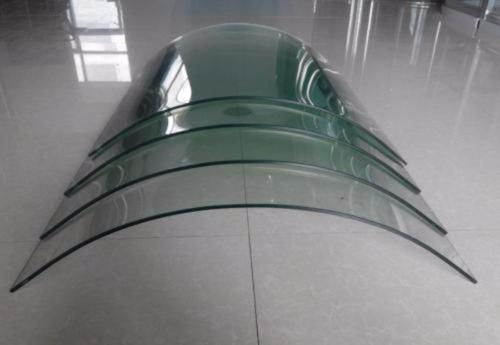
In bending, the glass has to reach forming temperature quickly and evenly. IR gives you rapid, localized heat that helps keep viscosity consistent across the sheet, so the bend repeats part to part. בתהליך הכיפוף, הזכוכית חייבת להגיע במהירות ובאחידות לטמפרטורת העיצוב. IR מספק חימום מהיר וממוקד שמסייע לשמור על ויסקוזיות קבועה לאורך הלוח, כך שהכיפוף חוזר על עצמו בכל חלק.
Better quality: less stress, fewer rejects
איכות טובה יותר: פחות מתח, פחות פסילות
Glass fails under thermal stress and uneven heating. When heat isn’t uniform, differential expansion shows up—edges bow, surfaces warp, and internal stresses lock in. IR systems with zone control reduce that gradient by keeping the thermal field consistent. זכוכית נכשלת תחת מתח תרמי וחימום לא אחיד. כאשר החום אינו אחיד, מתרחבת התפשטות שונה—הקצוות מתעגלים, המשטחים מעוותים והמתחים הפנימיים ננעלים. מערכות IR עם שליטה אזורית מפחיתות את השיפוע הזה על ידי שמירת שדה תרמי עקבי.
You see the payoff in measurable ways: את התוצאה רואים בדרכים מדידות:
-
Tighter flatness and optical distortion control in tempered and bent parts.
-
שליטה מדויקת יותר בשטיחות ועיוות אופטי בחלקים מחושלים ומעוקלים.
-
More consistent edge compression and break pattern in tempered glass.
-
אחידות גבוהה יותר בלחץ הקצה ובתבנית השבר בזכוכית מחושלת.
-
Smoother coating cure without streaks or orange peel.
-
התקשות ציפוי אחידה ללא פסים או מראה “קמטי תפוז”.
-
Cleaner lamination bonding when the interlayer sees a stable temperature window.
-
הדבקה נקייה יותר בלמינציה כאשר השכבה הבין-שכבתית נחשפת לחלון טמפרטורה יציב.
It’s not “better heat.” It’s predictable heat distribution. זה לא “חום טוב יותר”. זו הפצה צפויה של החום.
Energy use that makes sense at scale
שימוש באנרגיה הגיוני בקנה מידה רחב
Heating air is expensive. You spend energy to warm the oven, more to move the air, and still more to compensate for losses at doors and joints. IR targets the glass itself, so less energy is wasted on the surroundings. חימום האוויר יקר. משקיעים אנרגיה כדי לחמם את התנור, נוספת כדי להזיז את האוויר, ועוד כדי לפצות על אובדנים בדלתות ומפרקים. IR מכוון ישירות לזכוכית, כך שפחות אנרגיה מבוזבזת על הסביבה.
In production, that shows up as lower kWh per square meter and less strain on plant electrical service. It also means the heating zone can be more compact, which cuts the volume of hot air you have to manage. בייצור, זה מתבטא בפחות kWh למטר רבוע ופחות עומס על מערכת החשמל של המפעל. כמו כן, משמעות הדבר היא שאזור החימום יכול להיות קומפקטי יותר, מה שמפחית את נפח האוויר החם שיש לנהל.
Safer, cleaner operation
הפעלה בטוחה ונקייה יותר
Every time you open a furnace door, you risk thermal shock and dump heat into the plant. IR modules can be arranged as enclosed, controlled zones that open only as needed, cutting air infiltration and thermal swings. בכל פעם שפותחים דלת תנור, קיים סיכון להלם תרמי והזרמת חום למפעל. מודולי IR יכולים להיות מסודרים כאזורים סגורים ומבוקרים שנפתחים רק לפי צורך, וכך מפחיתים חדירת אוויר ותנודות תרמיות.
That matters because safety isn’t just PPE—it’s process stability. Stable heating reduces sudden temperature changes that can drive breakage during loading and unloading. It also reduces smoke and volatiles from overheated binders and coatings, which makes housekeeping and visibility easier. זה חשוב כי בטיחות איננה רק ציוד מגן אישי, אלא יציבות התהליך. חימום יציב מפחית שינויים פתאומיים בטמפרטורה שעלולים לגרום לשבירה במהלך הטענה ופריקה. כמו כן, הוא מפחית עשן וחומרים נדיפים משרפים ומציפויים שחוממו יתר על המידה, מה שמקל על ניקיון וראות.
Retrofit without redesign
שדרוג ללא תכנון מחדש
Many lines already have heating sections—convection ovens, preheat zones, lamination presses, curing tunnels. Industrial IR modules come as modular assemblies: standardized lengths, mounting patterns, and termination options that let you retrofit without rebuilding the whole machine. רבים מהקווים כוללים כבר אזורי חימום—תנורי הסעה, אזורי חימום מוקדם, לחיצות למינציה, מנהרות התקשות. מודולי IR תעשייתיים מגיעים כמערכות מודולריות: אורכים סטנדרטיים, תבניות הרכבה ואפשרויות חיבור שמאפשרות שדרוג מבלי לבנות מחדש את המכונה כולה.
You can replace aging convection zones with IR arrays, keep the same conveyor and guarding, and gain faster response and tighter control. ניתן להחליף אזורי הסעה מיושנים במערכי IR, לשמור על מערכת ההובלה וההגנה הקיימות, ולקבל תגובה מהירה ושליטה מדויקת יותר.
The real-world details that bite you
הפרטים המעשיים שצריך לשים לב אליהם
Infrared heating is solid, but it won’t be plug-and-play unless you plan for the shop floor. Here are the points that matter when you roll it into the line. חימום אינפרא-אדום אמין, אך לא יהיה פשוט להפעלה ללא תכנון מתאים לרצפת הייצור. הנה הנקודות החשובות כשמשלבים אותו בקו:
-
Clearance and line-of-sight: IR is radiant heat. Frames, rollers, fixtures, and sensors cast shadows that create cold spots. Layout has to preserve a clean radiation path—or you add reflectors and secondary zones to compensate.
-
ריווח וקו ראייה: IR הוא חום קרינה. מסגרות, גלגלים, תושבות וחיישנים יוצרים צללים שיוצרים נקודות קרות. פריסת המערכת חייבת לשמור על מסלול קרינה נקי—אחרת יש להוסיף רפלקטורים ואזורים משניים לפיצוי.
-
Reflection and emissivity: Glass reflects some IR, and coatings change emissivity. If you run coated products, the thermal coupling shifts. Tune the process window for your actual product mix, not some “generic glass” assumption.
-
השתקפות ואמיסיביות: זכוכית משקפת חלק מה-IR, וציפויים משנים את האמיסיביות. אם מפעילים מוצרים מצופים, הקישור התרמי משתנה. יש לכוון את חלון התהליך בהתאם לתערובת המוצרים בפועל, לא על פי הנחה של “זכוכית גנרית”.
-
Temperature measurement: Pyrometers and thermal cameras work, but mounting and emissivity settings have to be right. Wrong emissivity turns your reading into a guess, and guesses ruin repeatability. Calibrate to the glass and coating you run.
-
מדידת טמפרטורה: פירומטרים ומצלמות תרמיות מתאימות, אך ההרכבה והגדרות האמיסיביות חייבות להיות מדויקות. אמיסיביות שגויה הופכת את המדידה להערכה, והערכות פוגעות בשכפול. כיול לפי הזכוכית והציפוי שבשימוש.
-
Electrical and thermal management: High-power IR circuits need proper service, fusing, and cooling. Enclosures and reflectors must stay within temperature limits, and maintenance access has to be built in—cleaning and inspection are part of uptime.
-
ניהול חשמלי ותרמי: מעגלי IR בהספק גבוה דורשים שירות מתאים, מיגון והקירור. מארזים ורפלקטורים חייבים להישאר בטמפרטורות בטוחות, וגישה לתחזוקה חייבת להיות מתוכננת—ניקוי ובדיקה הם חלק מזמינות המערכת.
-
Compatibility with existing controls: If your line runs on PLC control and industrial comms, the IR system should integrate cleanly—discrete I/O or fieldbus, whatever your plant standard. Otherwise you add complexity where you wanted simplicity.
-
תאימות לבקרות קיימות: אם הקו שלך מופעל בבקר PLC ותקשורת תעשייתית, מערכת ה-IR צריכה להשתלב בצורה נקייה—I/O בדיד או Fieldbus, לפי תקן המפעל. אחרת, תיווצר סיבוכיות במקום פשטות.
One more point worth saying plainly: IR performs best when the process is stable—stable line speed, stable product geometry, stable coating. If your mix swings wildly, you’ll spend more time tuning zones. The answer isn’t to avoid IR; it’s to lock in a repeatable product family and let the IR system enforce the profile. עוד נקודה שחשוב להבהיר: IR מתפקד בצורה מיטבית כאשר התהליך יציב—מהירות קו יציבה, גאומטריית מוצר יציבה וציפוי יציב. אם התערובת שלך משתנה דרמטית, תבזבז זמן רב יותר בכיול האזורים. התשובה אינה להימנע מ-IR, אלא לקבע משפחת מוצרים שחוזרת על עצמה ולהניח למערכת IR לאכוף את הפרופיל.
If your goal is to raise yield and cut cycle time without adding risk, infrared heating for glass finishing is a practical engineering move. It gives you faster ramp-up, tighter uniformity, and a heating section that behaves like a repeatable process variable instead of a black box. אם המטרה היא להגדיל תפוקה ולקצר זמן מחזור ללא סיכון נוסף, חימום אינפרא-אדום לסיום זכוכית הוא צעד הנדסי מעשי. הוא מאפשר עלייה מהירה בטמפרטורה, אחידות טובה יותר, ואזור חימום שמתפקד כמשתנה תהליך שחוזר על עצמו במקום תיבה שחורה.
Run it right, and the line stops fighting heat. It starts using it. אם מפעילים נכון, הקו מפסיק להילחם בחום ומתחיל לנצל אותו.