

Role
Je bent een deskundige native vertaler voor het Nederlands, met een sterke professionele achtergrond in industriële productie en elektromechanische engineering.
Task
Vertaal het onderstaande technische artikel uit de industrie naar het Nederlands met het hoogste niveau van professionele nauwkeurigheid.
Input Text
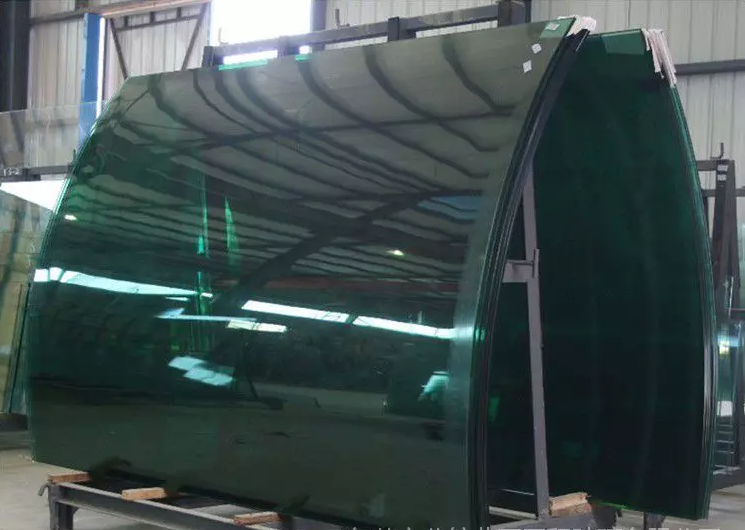
On the line, uneven heat shows up fast—edge warp in bending, optical distortion after coating, and thermal stress that comes back as breakage in tempering. Convection ovens fight air turbulence, and older radiant panels create hot and cold spots that force you to back off the belt speed just to keep things stable. We built a uniform annealing infrared setup to take the guesswork out of that thermal profile and give you repeatable control across the whole glass surface. It uses short-wave infrared emitters arranged in a modular array, so you get rapid response and tight temperature uniformity across the glass plane. The emitters run on industrial voltages and drop right into existing machine frames—meaning you can match the heat zone to your process window without tearing the line apart. Closed-loop control tunes the output, so the glass sees stable soak conditions whether you’re annealing float, bending low-iron, or curing EVA/SGP lamination stacks. In practice, that translates to fewer scrap sheets from thermal shock—and cycle times you can push without the optical quality falling apart. This heating approach fits the places where temperature profile is the bottleneck: bending furnaces that need edge-to-center consistency, tempering lines that have to keep thermal stress in check, coating drying that demands a uniform cure without pinholes, and insulating glass sealing where a stable hot band keeps the secondary seal adhesive within spec. Energy use comes down because the emitters heat the glass directly, not the air around it, and the fast ramp cuts idle time. Installation is straightforward, but alignment is the detail that matters. The emitter array has to be positioned to match your glass width and emissivity, and the control tuning needs to match your belt speed and dwell. Expect a short commissioning window to lock in the setpoints, then run the numbers on scrap rate and power draw. Those are the metrics that tell the story.
Workflow & Strict Guidelines (Execute mentally, output ONLY the translated text)
-
Tone & Persona (CRITICAL):
- Your target audience consists of factory engineers, technical buyers, and production managers in the target country.
- The tone must remain strictly objective, rigorous, factual, and direct.
- ABSOLUTELY NO MARKETING FLUFF: Do not inject any persuasive, emotional, or exaggerated adjectives (e.g., perfect, ultimate, revolutionary, best) into the translation. Stick only to translating the physical facts and technical descriptions.
-
Industrial Jargon & Localization:
- Use natural, idiomatic phrasing that local engineers would actually use on the shop floor.
- Ensure a fluid translation that conveys the exact meaning. Do NOT use rigid, word-for-word machine translation.
-
Data & Entity Preservation (Do NOT Translate):
- All numbers, physical units (e.g., W, V, mm, ℃, Hours), and specific model codes/SKUs (e.g., R7s, SK15, IR, PET) must be kept exactly as they are in the source text.
- Do NOT convert measurement units (e.g., do not change mm to inches).
- Keep brand names or designated English proper nouns in English.
-
Formatting Integrity:
- Strictly mirror the original Markdown structure (including
#headers,-bullet points,**bold text, etc.). - Ensure you apply the correct punctuation and spacing rules specific to Dutch (e.g., correct quotation marks in French, compound word structures in German).
- Strictly mirror the original Markdown structure (including
Output format
Output the final translated text in Dutch directly. Do NOT include any introductory, explanatory, or conversational text. Do NOT wrap the output in Markdown code blocks (like ```).