

The Secret to Instant Warmth: How Infrared Works
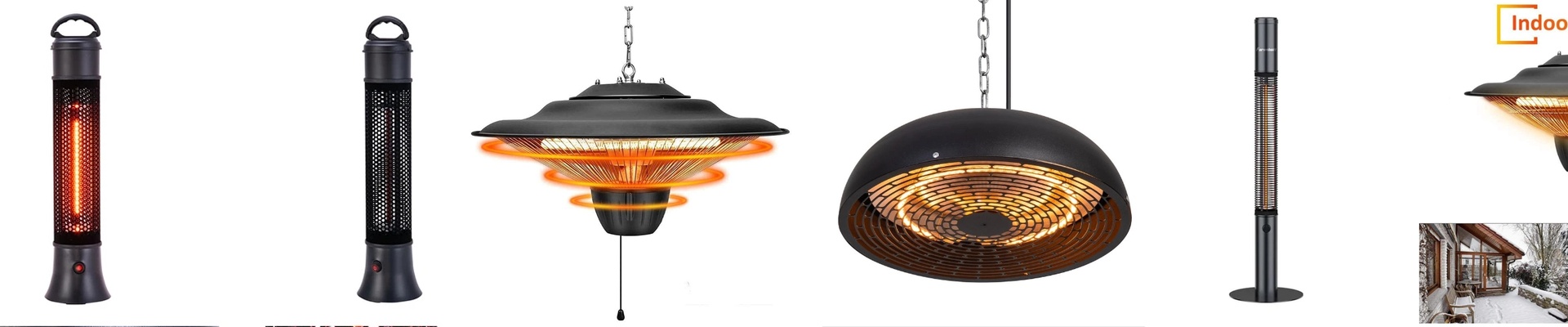
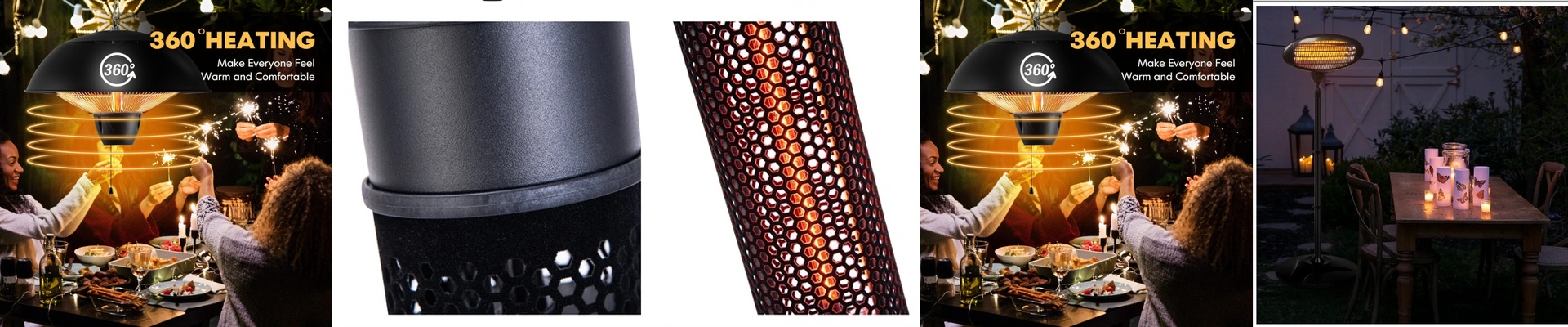
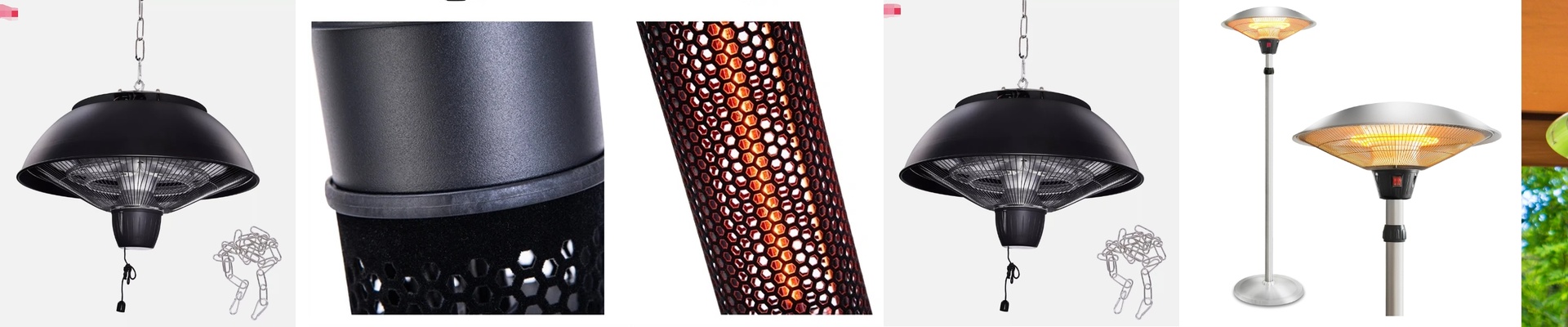
We chose infrared for our bathroom mirror heaters for one big reason: it warms you, not the air. Instead of slowly heating the whole room like a convection heater, it sends out radiant energy that travels in a straight line. It hits people and surfaces directly. That’s why the second you flip it on, you feel that gentle, spring-breeze warmth. The tech is simple. The heating element hits operating temperature in seconds, turning electricity straight into infrared. No waiting. No lag. For you, that means the room feels warm almost instantly—and it costs less to run each time.
The Power Behind the Heat
We built this for speed. At the heart is a high-output quartz tube, tough enough to handle rapid on-off cycling without cracking. We tuned the wattage to pack serious heat into a small space, so you get strong radiant warmth while the mirror stays crystal clear. Voltage is matched to the building’s wiring, so the heater pulls its rated power cleanly—no dips, no surprises. And the whole thing is sized to sit flush in the mirror assembly, keeping the look clean and low-profile. It’s direct, practical, and just works.
The Materials That Make It Reliable
The heating element sits inside a halogen-filled quartz envelope. That setup keeps output steady and shields the filament from oxidation, so it lasts longer. Quartz is naturally tough in wet spaces—it won’t degrade in a humid bathroom. For the electrical connection, we use an R7s base, a solid, industry-standard fit that makes the unit a simple drop-in replacement. It holds tight even as the tube expands and contracts with heat, so you don’t lose contact. Even the mirror coating is made to handle the thermal load without discoloring or bubbling.
How It Feels in a Real Bathroom
In a bathroom, this heater is all about immediate comfort. It turns on and gives you usable heat right away—perfect for stepping onto a cold floor without that shock. Installation is straightforward: mount it, wire it, and you’re done. Now, here’s the thing: infrared is directional. It warms what it can see—people and surfaces—directly. It doesn’t focus on heating the entire volume of air. So you’ll want to keep the bathroom’s ventilation and insulation in mind for overall comfort. For engineers and facility folks, it’s a straightforward solution: targeted, fast heat in a wet space, without a complicated mechanical mess.