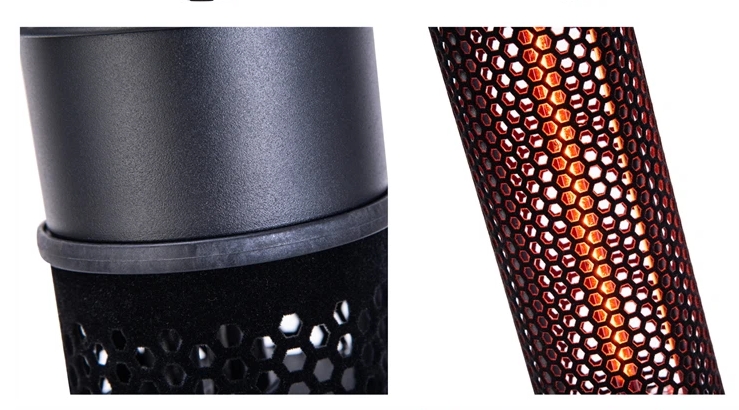
So, How Does This Thing Actually Work?
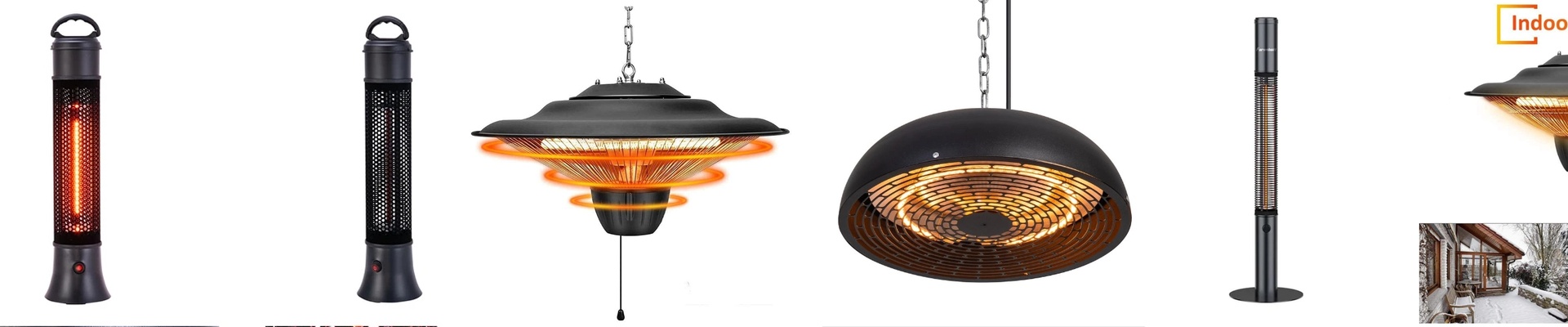
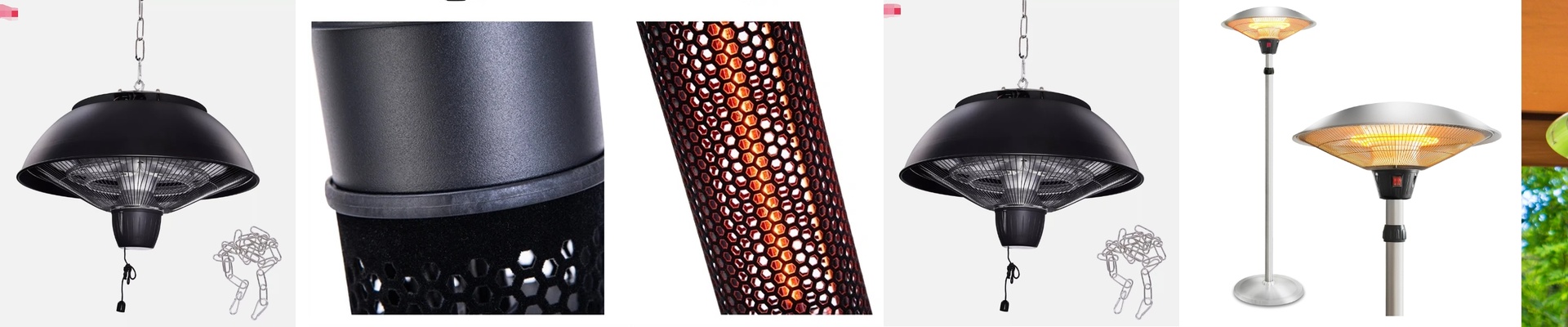
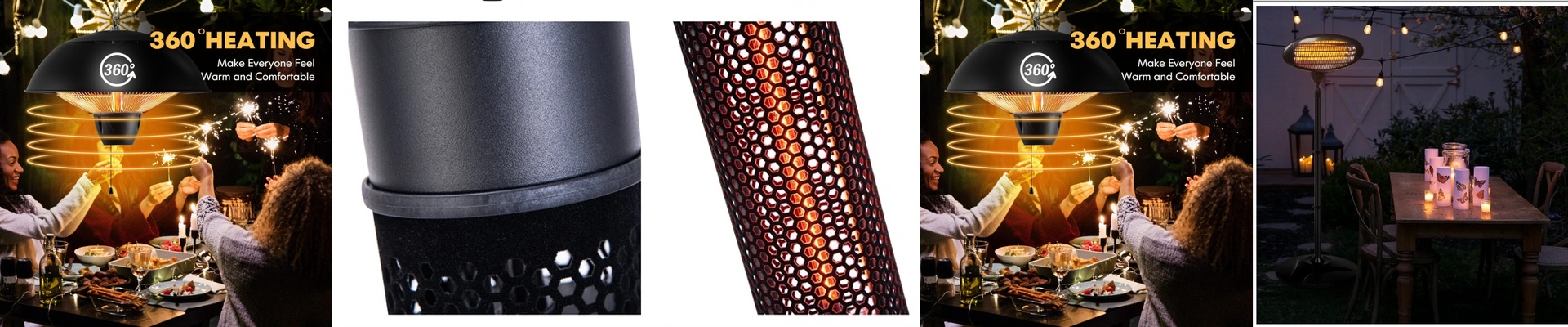
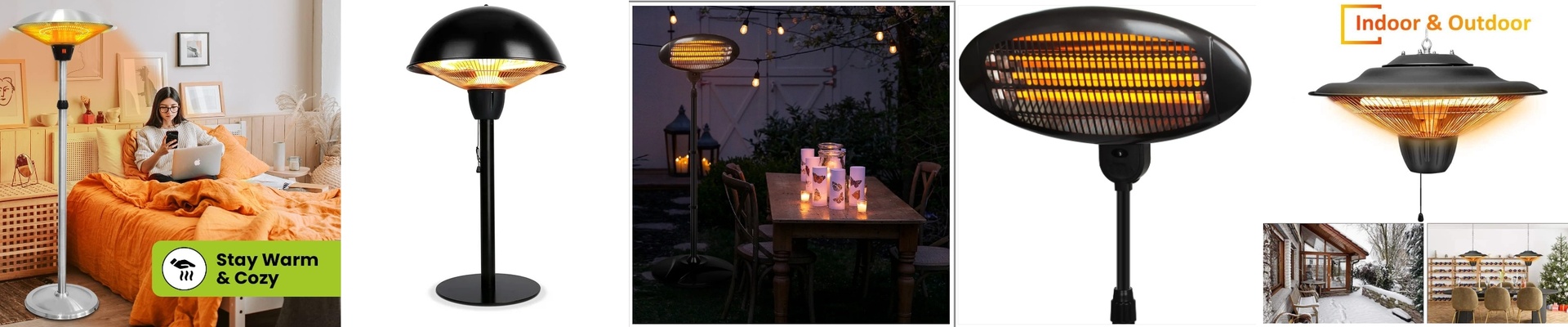
Let’s talk about that wall-mounted infrared fireplace. It’s basically an electric heater that warms you directly, like standing in a patch of sunlight. No need to heat the whole room. But the real magic happens when you hook it up to a solar system. The big question is: can you really go off-grid and still stay warm? The answer isn’t some magic number. It’s about balance. It’s about making sure the energy you need matches the energy you can collect and store.
Let’s Talk Numbers (Without the Headache)
Here’s the deal. A typical infrared fireplace uses between 1,500 and 2,500 watts. So if you run it for four hours each evening, you’re looking at about 6 to 10 kilowatt-hours a day. Now, let’s look at the solar side. A 5 kW solar array on a good, sunny day can generate around 20 kWh. That’s more than enough to cover the fireplace and the rest of your house. But the real key is your battery. You need a battery big enough to hold onto the extra energy from the day so you can use it at night. A 10 kWh battery would cover the fireplace’s needs, but honestly, it doesn’t leave you much of a safety net for those gloomy, cloudy days.
The Truth About Living Off the Grid
Connecting everything is actually pretty straightforward. The solar panels charge the batteries, and your inverter powers the fireplace. In the summer, when the sun is out for ages, you can easily hit over 90% self-sufficiency. But winter is a different story. The days are shorter, and you need more heat. That’s when you might come up short. You’ve got two choices. You can go big—bigger solar array, bigger battery bank—but that costs more and takes up more space. Or, you can accept that you won’t be 100% self-sufficient and keep a backup generator on hand. That’s the reality of off-grid life. It’s a constant dance between how much energy you need and how much you can capture. The trick is to plan for the worst days, not just the perfect ones.
Why This Setup is Worth It
For anyone chasing energy independence, this setup is a game-changer. You get warm, direct heat without the hassle or emissions of a real fire. And because it’s wall-mounted, you’re not giving up any floor space. Best of all, you’re not at the mercy of the power company. When the grid goes down, you’re still sitting pretty. The real challenge is just getting the numbers right. You have to figure out your total daily energy needs and then build a system that can handle it, even on the darkest, coldest days. If you get the engineering right for your climate and your habits, you end up with a heating solution that’s reliable, independent, and completely yours.