
Introduction
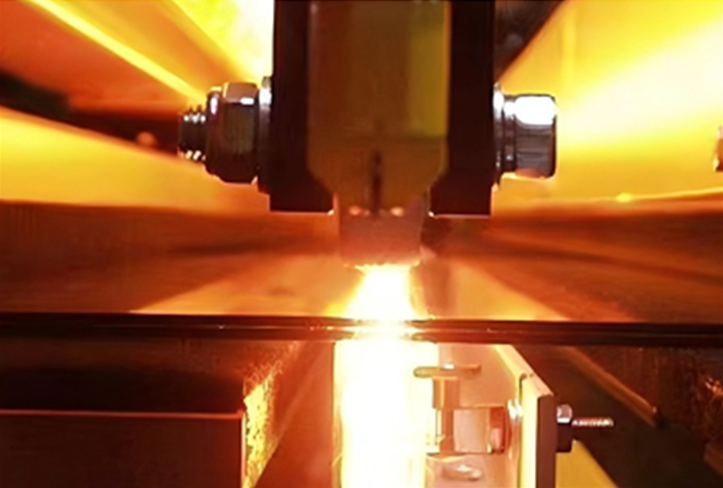
We built this dryer for one reason: the Low-E glass line doesn’t have room for second chances. It’s high-pressure, high-speed, and the anti-fog coating has to land just right. So we went with a shortwave infrared heating lamp that responds in milliseconds. It hits the coating with fast, focused heat—cures the layer without scorching the film or stressing the glass. It’s precise. And honestly, that kind of control makes the whole process feel calmer.
What makes it work: power, voltage, and the geometry of heat
The lamp runs at 2500W, 400V, and measures 300mm, using shortwave infrared. None of that is by accident. The 400V input lets us keep the tube compact at 300mm while still getting the filament hot enough to start up fast. And the shortwave spectrum doesn’t waste time warming up air—it goes straight through the wet coating and heats the substrate directly. That gives you serious heat density in a small footprint. It ramps up quickly. It shuts off instantly. On a line where even a little thermal drift can ruin a run, that responsiveness is a big deal. But here’s the catch: that kind of power density means you need cooling and thermal management around the lamp zone that’s genuinely up to the job. Get that right, and the surrounding components stay cool—and the operator stays comfortable.
The materials that make it reliable: halogen, quartz, and the right connector
Inside, the halogen cycle keeps the filament stable, so the output stays consistent over the life of the lamp. The quartz body transmits shortwave IR efficiently, and it handles rapid on/off cycles without cracking when the temperature jumps around. We chose an R7s connector because it gives you solid, rigid mounting and reliable electrical contact. It holds alignment, helps prevent hot spots at the terminals, and makes the lamp a straightforward drop-in when it’s time for maintenance. The lamp body is also coated to resist environmental contaminants and keep the outer surface temperature more manageable—so it’s safer for the operator and cleaner for the process.
What it feels like to run: protecting the film on Low-E glass
Low-E glass has a sensitive anti-fog coating. If it sees too much heat for too long, the film oxidizes. It dulls. And performance drops. With this IR lamp, the millisecond response lets us apply heat only while the coating is passing through—then cut it off the instant it’s done. The shortwave energy dries the film fast, which limits oxygen exposure right at that critical interface. The result is a stable, repeatable thermal profile across the glass. Fewer rejects from oxidation. Consistent drying, even at line speeds that would leave conventional convection struggling. It’s heat that’s engineered to match the process—controlled, localized, and timed exactly right.