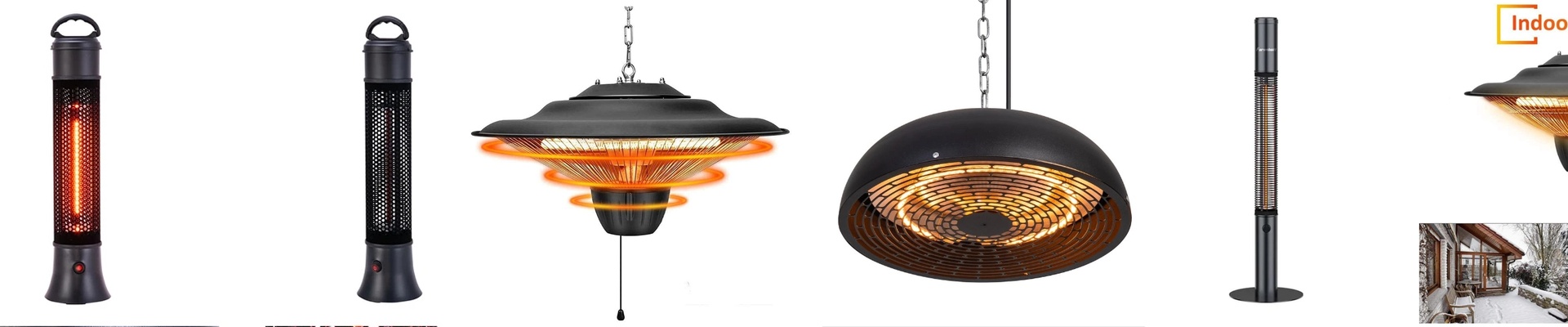
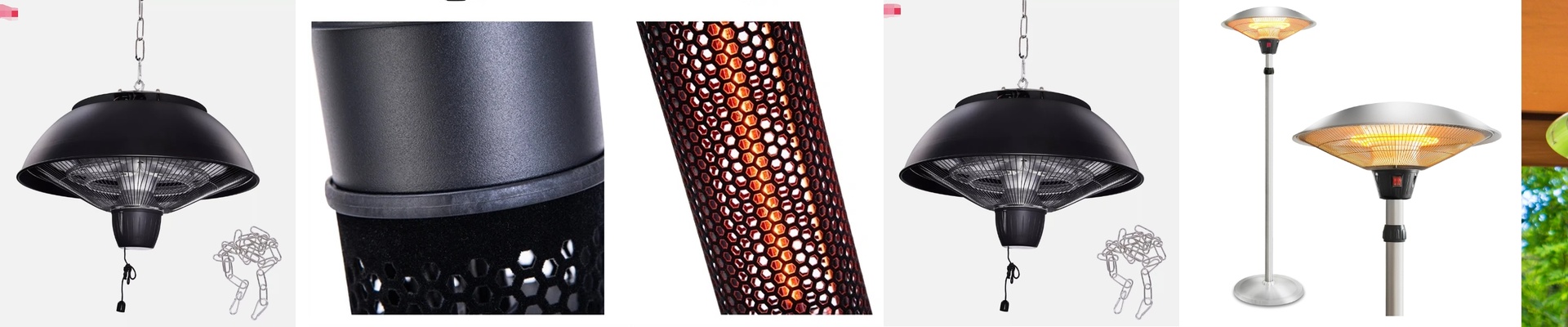
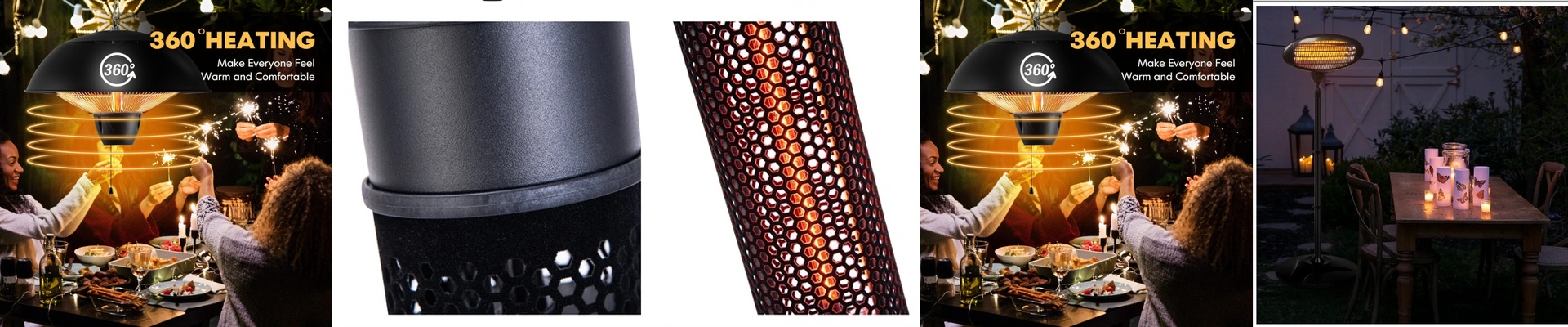


When winter settles in, cold floors and drafty corners do more than make a space feel chilly. They can leave hands and feet numb, even when you’re bundled up. Traditional warm-air heat gets blown around the room, but comfort usually takes its time—and drafts keep undoing it. Infrared commercial electric heaters take a different approach. They deliver radiant warmth that feels like standing near a sun-warmed wall.
What matters technically
Infrared commercial electric heaters produce directional radiant heat. They warm people and surfaces directly, not the air first. Many commercial units run on quartz tubes or carbon fiber elements to deliver medium- to long-wave infrared. Reflectors then focus that heat where it’s needed. Typical configurations use 240 V for higher output. Depending on the site, you can spec hardwired options or go with plug-in models on a standard 120 V cord. Built-in thermostats keep temperature steady. On quality units, you’ll find safety features like tip-over protection and an overheat cutoff as standard. For outdoor or damp locations, match the IP rating to the environment.
Why it works in these spots
When local skin temperature rises, circulation improves and that pins-and-needles feeling eases. Infrared warmth penetrates superficial tissue gently, so comfort arrives quickly—no waiting for the whole room to heat up. In workshops, entryways, and covered outdoor seating, people can work, relax, or entertain without constantly rubbing their hands together. Because the heater warms the body directly, comfort isn’t as dependent on air movement. Energy use stays focused on the people who need it.
Things to know
Infrared heat performs best when the unit is placed within its rated distance from occupants, with a clear path. It warms surfaces and people, not the air, so drafts can still feel cooler elsewhere in the room. Plan for dedicated circuits on high-wattage models, and match voltage and plug type to your site. For best results, pick a model rated for the environment—dry indoor, damp covered porch, or exposed outdoor—so the protection matches the weather.