
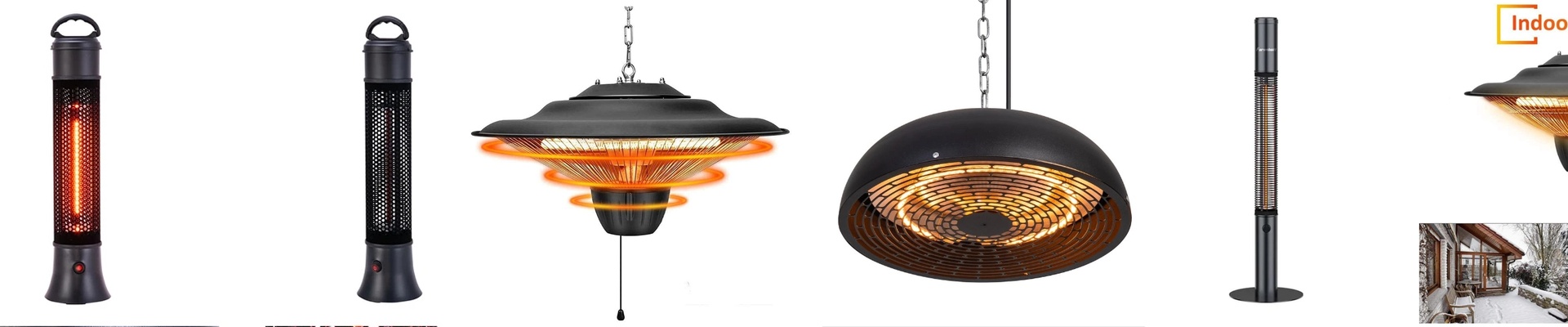

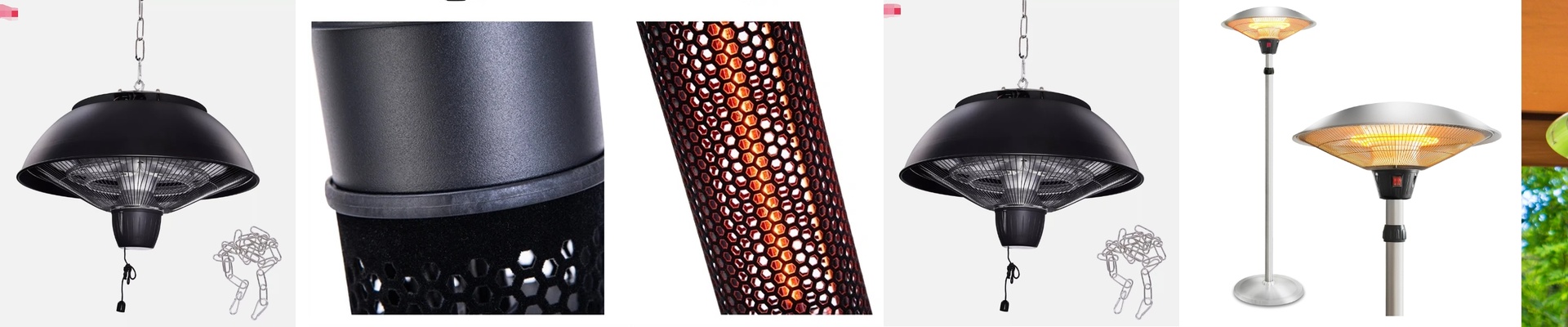

Public buildings carry a quiet, expensive problem: winter cold that settles into high-ceiling attics and service areas, where conventional hot-air systems just can’t keep up. When those spaces stay chilly, staff comfort drops, maintenance calls pile up, and the heating bill climbs—often for heat that never even reaches the people who need it.
What matters technically
An attic space heater built around infrared technology warms people and objects directly, instead of pushing air around. In practice, that means a faster warm-up and less energy wasted on heating empty volume. We build these units around focused radiant output, usually delivered through durable quartz tubes or efficient carbon fiber elements. The payoff is directional warmth you can feel within seconds, with minimal heat loss through roof rafters and ventilation gaps. In municipal settings, the practical details are what count. Electric infrared heaters run on standard voltage, install clean without ductwork, and can be paired with simple thermostats for localized control. Because the heat is targeted, you don’t have to oversize the system to compensate for drafts, high ceilings, or intermittent occupancy.
Why it works here
Public facilities heat in layers: offices, corridors, workshops, and the attic spaces that support them. When those support areas are cold, the whole building feels the strain. Infrared attic heaters keep workstations, storage zones, and maintenance areas at a steady, comfortable temperature without heating the entire building envelope. That direct warmth shows up as real savings. Rather than heating a large volume of air that quickly escapes, you deliver heat where it’s used. Occupancy-based scheduling and localized thermostats stop runaway energy use during off hours. The result is fewer comfort complaints, steadier temperatures in sensitive spaces, and a tighter, more predictable annual heating budget.
Things to know
Infrared attic heating is straightforward, but it’s not plug-and-play everywhere. Clearance to combustibles and proper mounting height are required for safe operation, and you get the best results when you place heaters where they cover the work zone, not just the empty air. Because infrared warms surfaces directly, ambient air temperature may read slightly lower than what occupants feel—pairing the heater with a reliable thermostat keeps comfort consistent. Plan the circuit load and ventilation upfront. In tight attics, heat can build up, so factor in airflow and service access during installation. Done right, you get dependable warmth that stays on target and stays within budget.