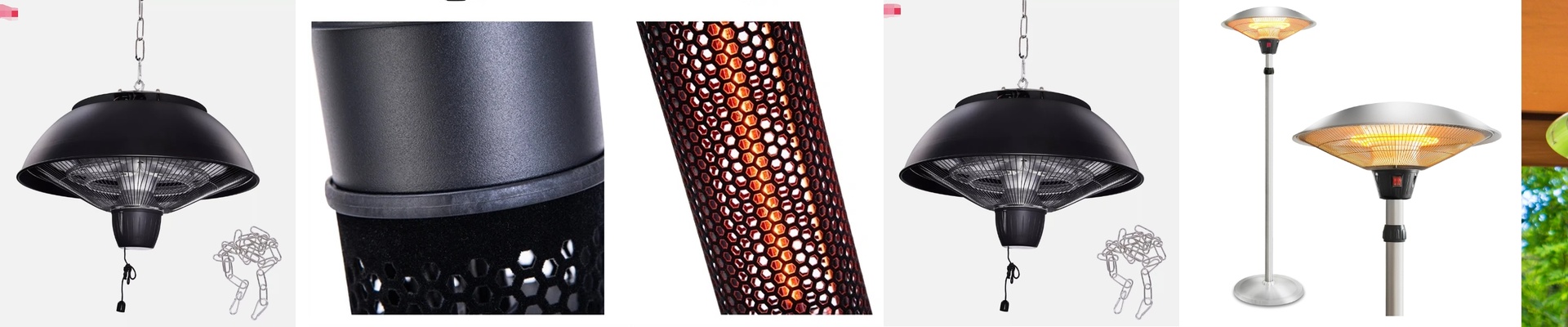
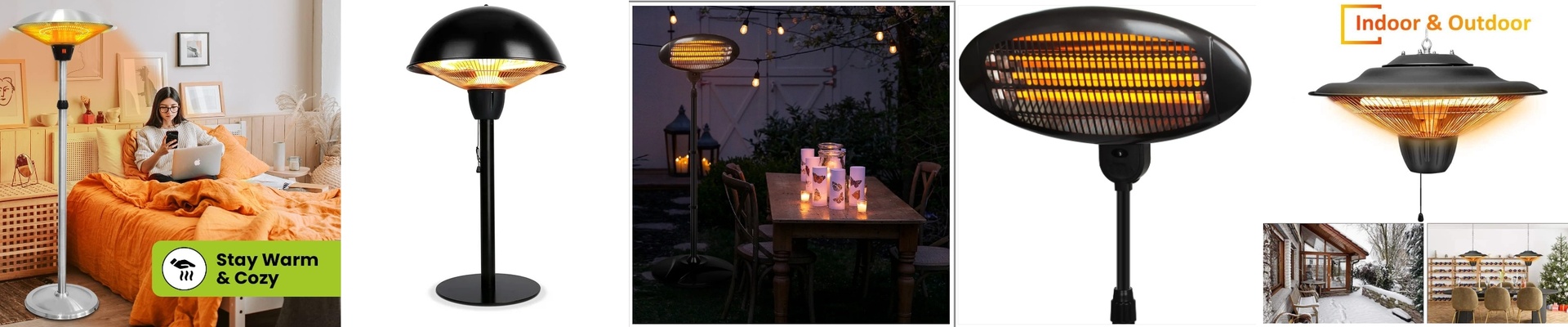
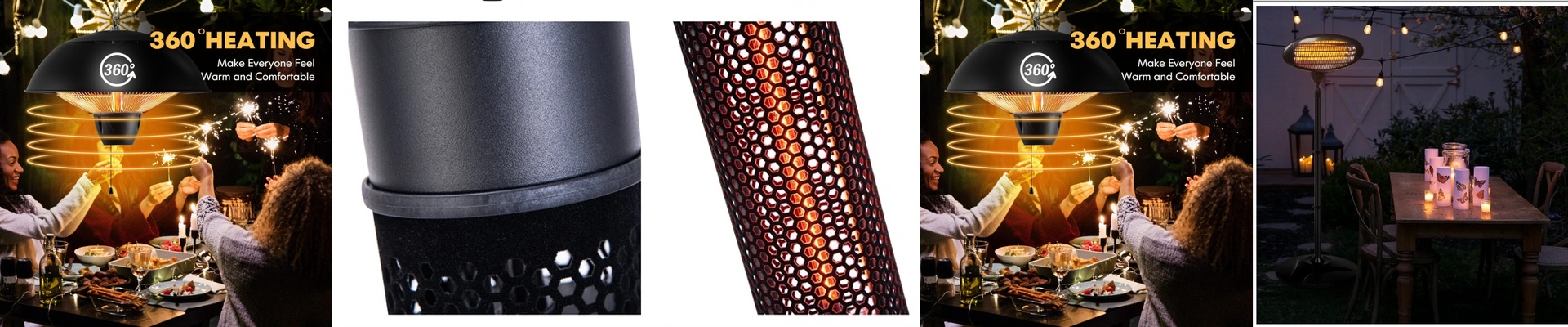
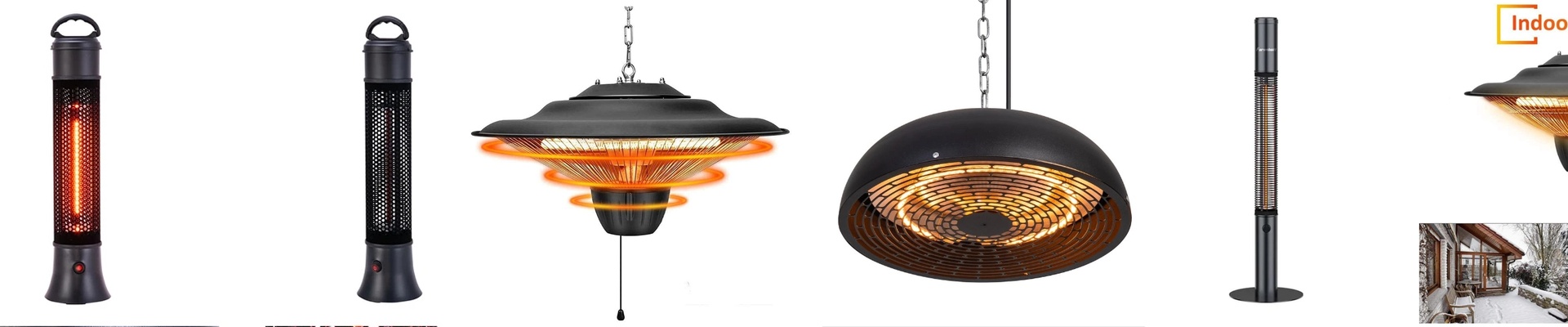
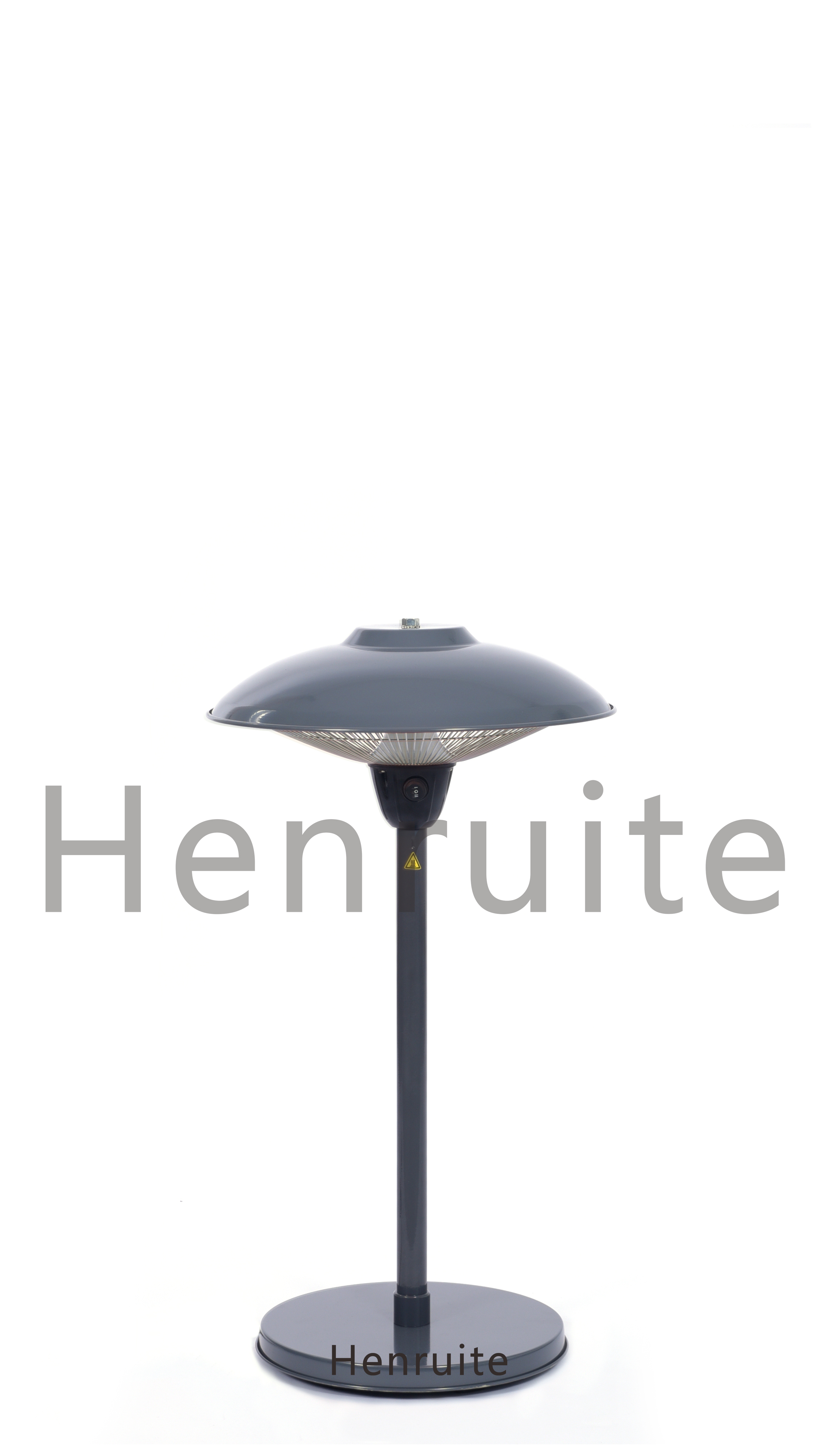
When the air starts getting that thin, chilly bite and your joints stiffen up, a blast of hot air just doesn’t cut it. You need warmth that actually finds you—quiet, direct, and steady. That’s the whole point behind infrared personal space heaters. They use radiant heat to warm the people and objects right in front of the unit, not the entire room.
What Actually Matters Under the Hood
Infrared heaters work the same way the sun does, emitting radiant energy to warm surfaces. On the practical side, most models rely on a carbon fiber element or a quartz tube to generate short-wave or medium-wave infrared. That energy travels outward and gets absorbed by skin and clothing. The result is a gentle, sun-like warmth that doesn’t kick up dust or dry out the air. When you’re shopping, look for a unit with a built-in thermostat to keep things steady, tip-over protection for safety, and an IP rating that matches the space. IPX4 is the usual baseline for damp spots like covered patios, while higher ratings are needed for more exposed outdoor setups. Power typically runs between 400 and 1500 W, and they plug into a standard outlet. That gives you the flexibility to put the heat where you need it—beside a reading chair, next to a workbench, or at the edge of an evening get-together.
Why This Approach Clicks
The payoff is immediate. Radiant warmth penetrates superficially, which helps local circulation and eases muscle and joint stiffness after long hours at a desk or on your feet. People often describe the feeling as sun-like comfort because the heat arrives without noise, drafts, or that harsh blast of forced air. You feel cozy faster, and you stay comfortable longer. That can translate to better mobility and a more relaxed evening.
The Real-World Details
Infrared heat is directional, so position the heater to face your main sitting or working area. It warms what it “sees,” and nearby walls and floors will absorb some of that heat too. For indoor use, pick a model rated for indoor environments and keep clearances clear. For covered outdoor spots, confirm the IP rating and stick to grounded outlets. And keep this in mind: this is personal heating. If you’re dealing with a large room, pair the infrared unit with some gentle background warmth to keep the whole space balanced.