
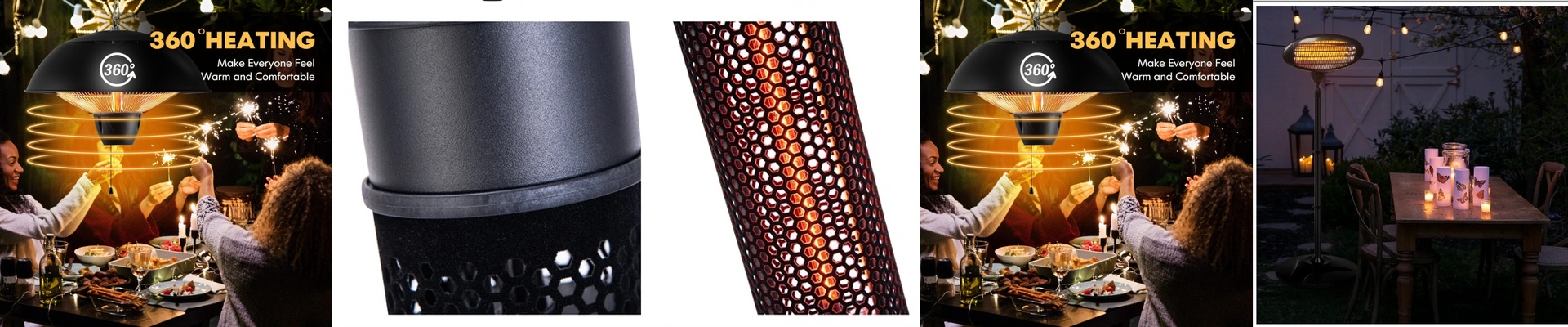
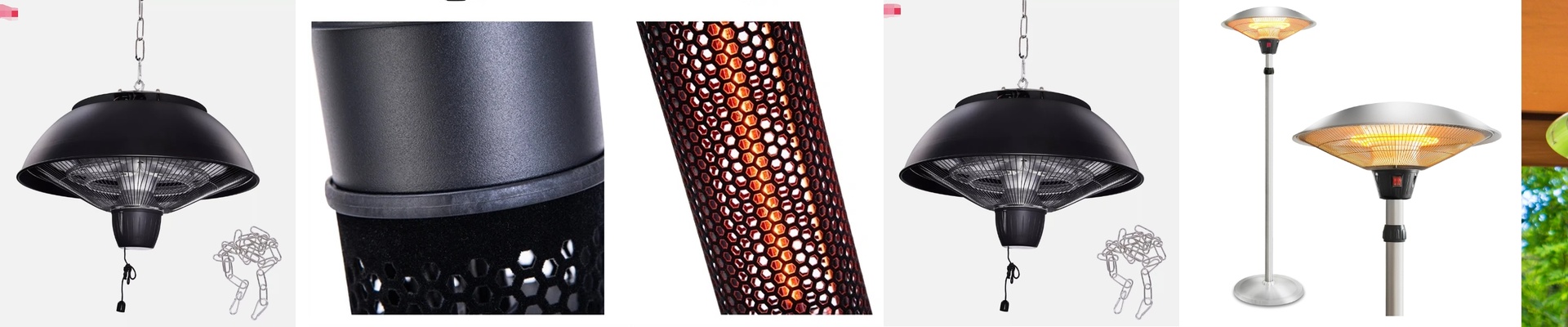
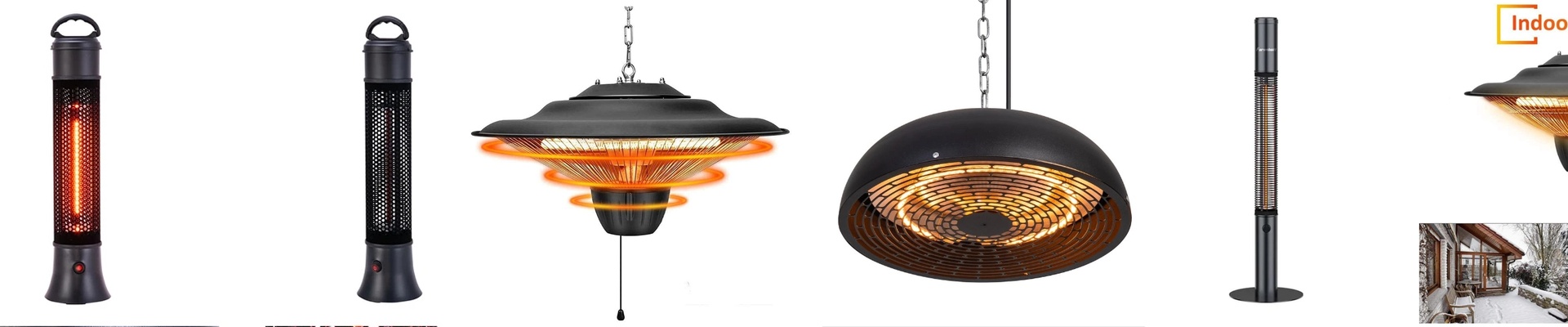
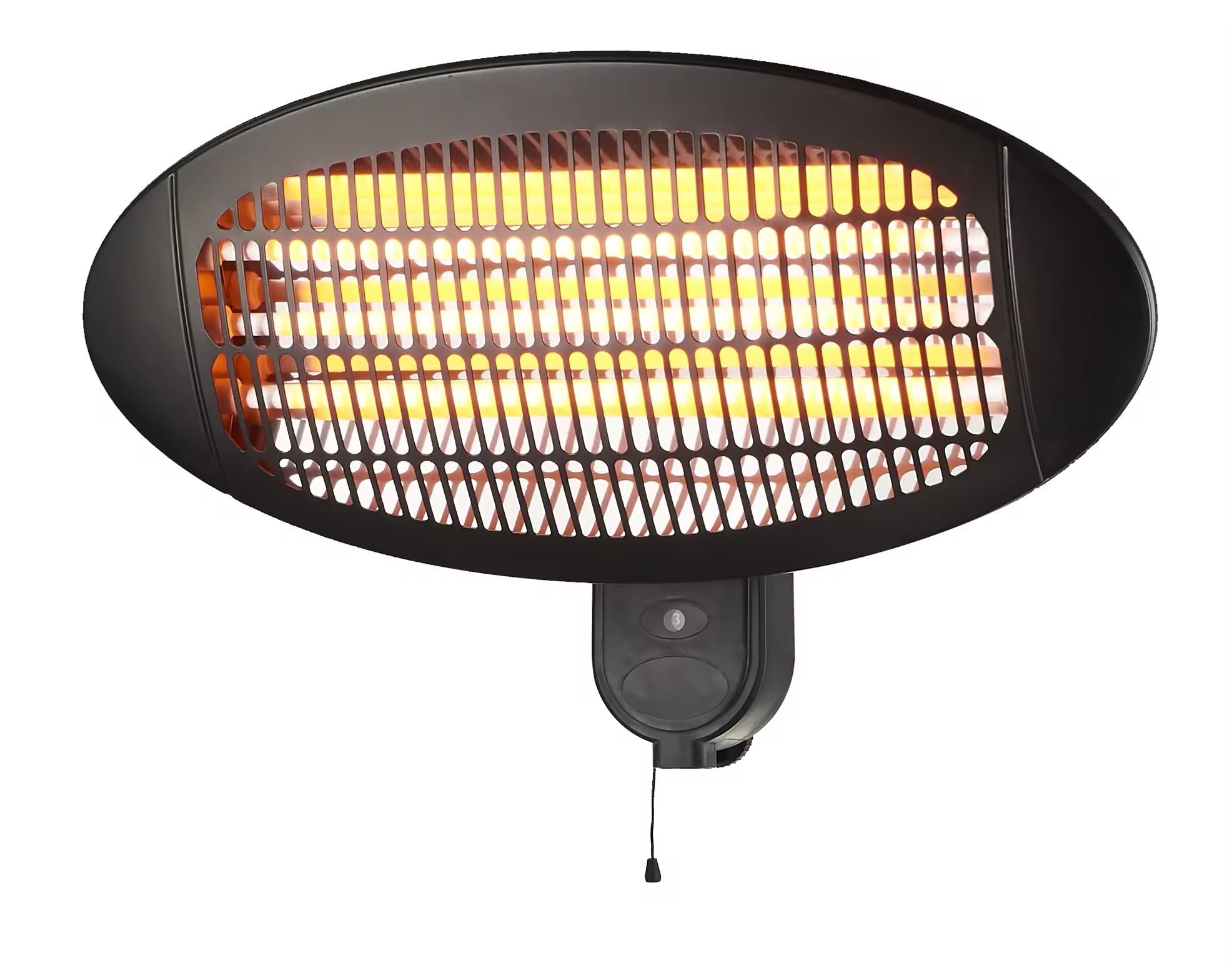
What Makes These Towel Rail Heaters So Damn Fast
Let’s talk about what’s actually under the hood. We built these towel rail heaters around shortwave infrared halogen tech because, honestly, it’s all about speed. Not gentle, slow-warming the air. This is about getting the job done—fast. The setup we lean on—typically 2500W at 400V—is chosen to pack a serious punch in a small space. It’s the kind of power that lets you plug straight into industrial power without pulling more current than you need. The payoff? Heat that concentrates right where you want it, and a response time measured in seconds. Picture this: a change room goes from ice-cold to instantly usable. No waiting around. That’s the feeling we’re after.
The Heart of It: Quartz Tube and the R7s Connection
Inside, the heating element sits in a quartz tube. Why quartz? Because it laughs at rapid heating and cooling. It can take the constant on-off cycling without cracking under pressure. And the halogen cycle does its part too, keeping the filament stable so you don’t get burn-outs even when the unit switches on and off a lot. Then there’s the R7s connector. It’s a standard two-pin setup, and that’s the whole point—this heater drops right into existing fittings. Less rewiring. Fewer headaches. Less room for mistakes during install. The exterior coating? Not just for looks. It helps manage surface temperature and keeps the tube protected from whatever the environment throws at it—moisture, dust, you name it.
Built for the Brutal Reality of Change Rooms
Change rooms are tough. Constant moisture. Unpredictable airflow. People needing heat, right now. So we put the heat exactly where it matters: on the rail itself. That means towels dry fast, and the air around you warms up almost immediately. The secret is shortwave infrared—it moves energy efficiently without wasting time heating the whole room. Here’s the part to keep in mind: 2500W is serious localized heat. So you want to match the unit to the rail material and make sure the mounting spot has enough clearance and ventilation. Do that, and you end up with something that just works—again and again—turning a cold, wet space into a place that feels reliable and warm, even on the busiest days.