

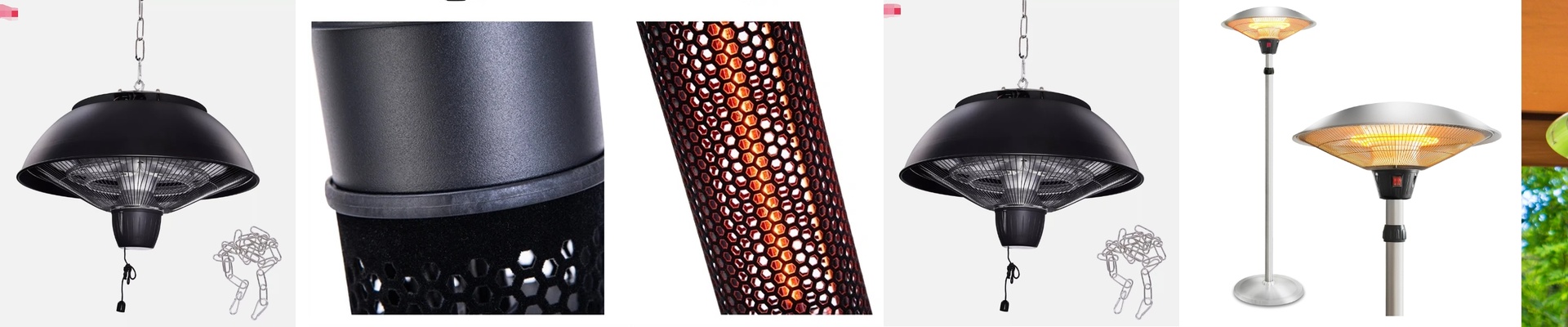
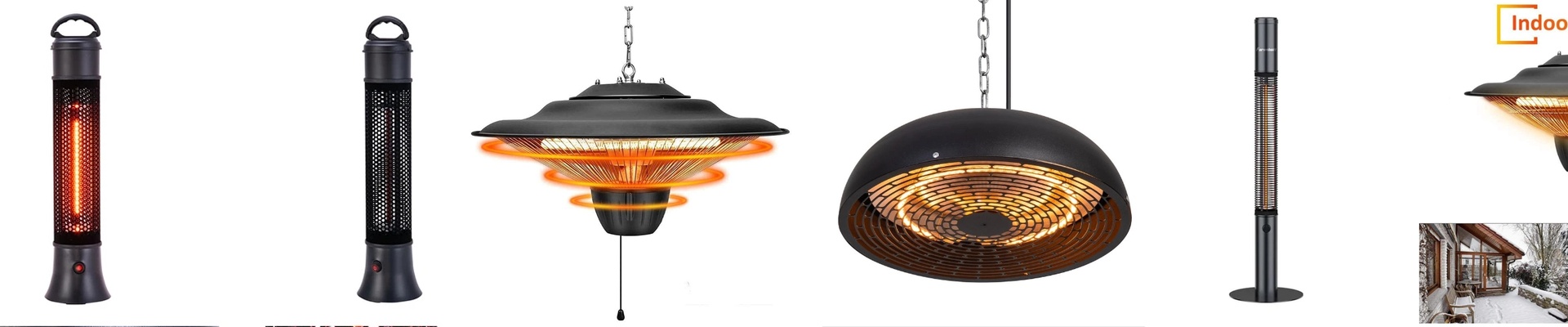

In a gallery or museum, the wrong heat isn’t just uncomfortable—it’s a risk to the collection. Conventional heaters push warm air, which stirs up dust and creates uneven microclimates. That can drive moisture shifts, paint checking, and stress on adhesives. You need warmth that works with the room, not against it.
What matters, technically
Our pipe heater electric units rely on infrared radiant heat, not convection. The core is a quartz tube with a high-purity element, tuned for medium-wave output that moves through the air with minimal disturbance. Heat arrives as a directional field—gentle, controlled, a bit like sunlight on a cool morning. Specs are straightforward: 120V or 240V models, compact pipe profiles that slip into tight perimeters, and sealed housings with a solid IP rating for spaces where humidity and temperature swing. Control comes from a thermostat that holds steady setpoints, so the climate stays predictable hour after hour.
Why this works in a gallery
Museums and galleries need precise, localized warmth that never gets hands-on with the objects. Infrared warms people, floors, and nearby surfaces directly, while the air stays calm. No drafts to carry particulates. No hot ceilings. No cold corners that invite condensation. That stability helps protect paper, canvas, wood, and adhesives from the stress of temperature swings. Because the heat is instant, the system can respond quickly when occupancy changes, without overshooting. And with low air movement, dust stays settled.
Things to keep in mind
Plan for even spacing along walls or under benches so the radiant field overlaps smoothly and you don’t create hot spots. These are line-of-sight heaters—objects in the beam feel the warmth, so aim carefully around sensitive pieces. Installation is simple for a qualified electrician, but you do need a dedicated circuit and proper thermostat placement away from direct heat. In very dry winter air, pair the heater with a humidification plan to keep relative humidity in the collection’s comfort range.