



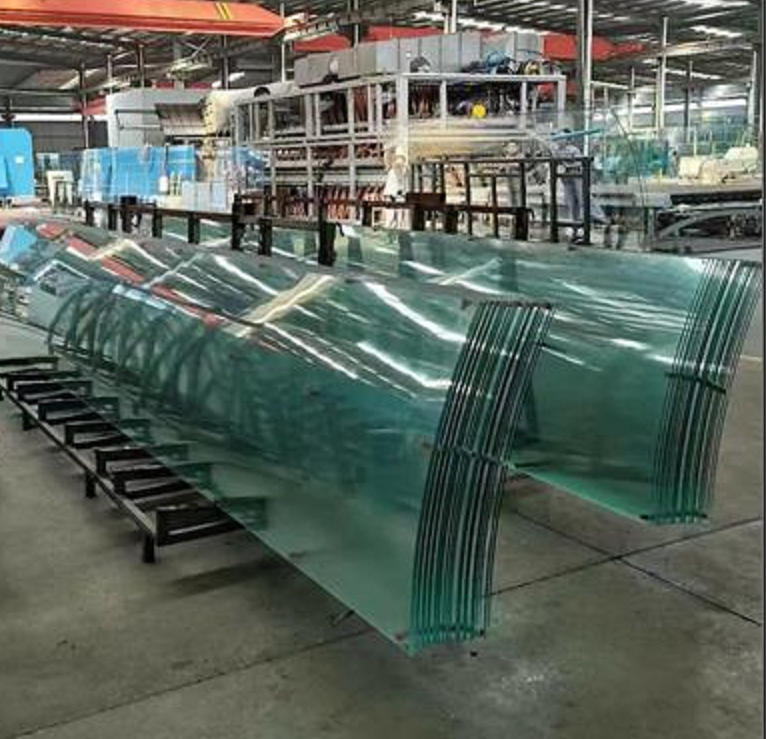
On the shop floor, oven alarms don’t just make noise—they quietly eat yield. One heating element dragging in the bending furnace, and the glass walks into the quench with residual thermal stress. One autoclave that takes too long to come up to temperature, and the PVB bond falls apart when you run the delamination test. Downtime isn’t just minutes you can’t get back. It’s scrap, rework, and schedules you promised that you can’t meet.
What actually matters, technically
We design heating elements for the way glass lines really run: fast response, tight temperature uniformity, and a long service life. The quartz sheath takes the thermal shock of constant cycling without complaining. Short-wave infrared puts the energy straight into the load, so you spend less time heating air and fighting convection drift. Standard voltages and industry-common terminations mean you can drop these into OEM fixtures without a redesign. Power density is tuned to the thermal mass of the glass—enough to drive the bend or set the temper without overshoot.
Why this plays in our world
In hot bending, heating across the mold stays even, so you don’t get local hot spots and optical distortion. The bend profile holds from the first piece to the ten-thousandth. For tempering, the preheat section has to hit setpoint fast. A shorter heating window stabilizes break patterns and keeps yield up. In lamination, stable curing temperatures keep PVB or SGP adhesion inside spec, which cuts down on bubbles and edge defects. On coating lines, controlled drying keeps pinholes and haze from sneaking in. The payoff is predictable cycles, repeatable quality, and lower energy draw per square meter.
The details that make the difference
These elements are built as drop-in replacements, but performance still depends on the system around them. Check mounting clearances and terminal temperature limits—otherwise you can cook the connections and create a hot spot. Match the element to the reflector geometry and the emissivity of the load; a mismatch is a sure path to uneven heating. Plan on routine inspection of insulation and seals, especially on high-humidity lines. When the environment is right, these elements run 5,000+ hours with minimal output drift.