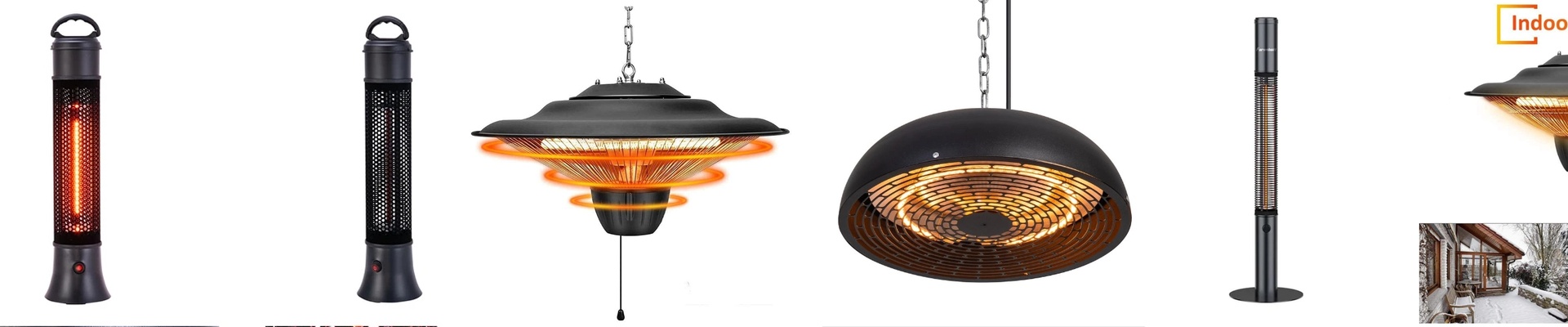
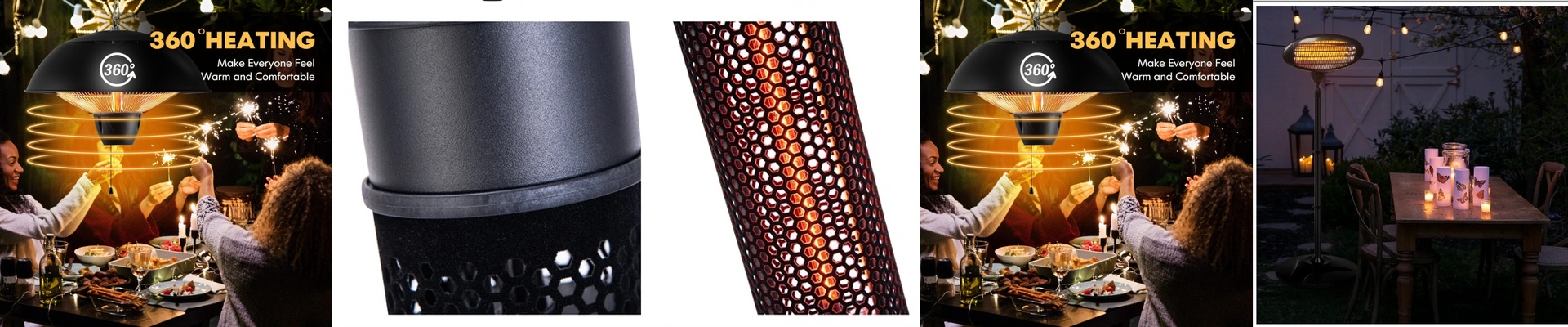

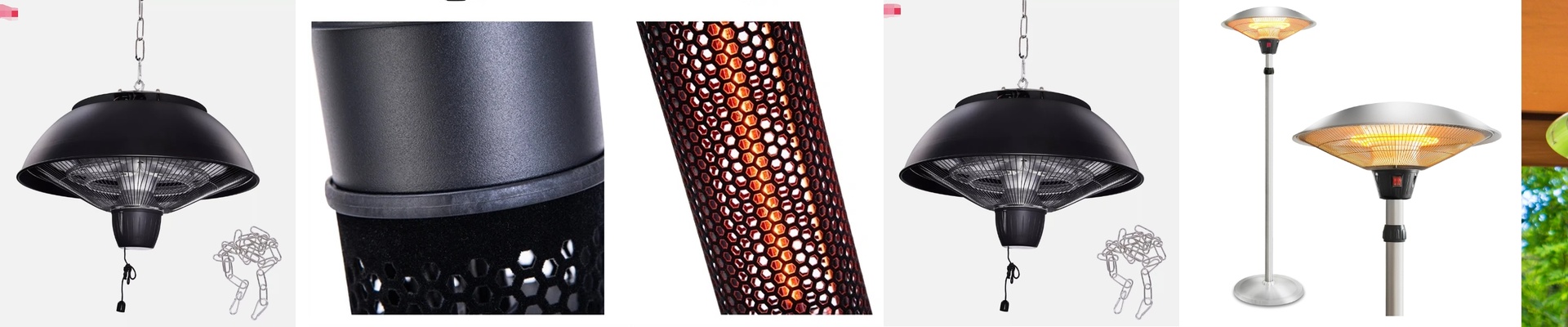

Why Your Patio Heaters Actually Fail (and How We Fix It)
If you’ve ever run a nightclub patio, you know the environment is basically a war zone. You’ve got high-wattage infrared heaters fighting against salt air, humidity, and wild temperature swings. Here’s the secret: the heating element itself usually does just fine. The real trouble starts where the wires meet the lamp.
The slow bake
When these lamps get screaming hot, that heat doesn’t just go forward to warm up your guests. It creeps backward, right into the electrical connections. Most companies use cheap silicone or basic resins to seal those joints. The problem? That stuff bakes. It gets brittle. It cracks. Once you have a tiny crack, moisture sneaks in, the wires oxidize, and—boom—you’ve got a short circuit. We do things differently. We use high-temp epoxy and ceramic potting that can handle the jump from 20°C to 600°C without flinching. It stays flexible and tight, no matter how many times you flip the switch.
It’s all in the process
A lot of assembly lines just dip the wires in sealant and call it a day. But that leaves tiny air pockets. When the heater warms up, those pockets expand and literally push the seal away from the wire. We use vacuum-pressure impregnation. It sounds fancy, but it basically means we force the sealant into every single microscopic gap in the wire jacket. It stops moisture from wicking up the wire. Because let’s be honest: a short circuit in a crowded outdoor lounge isn’t just a headache for the maintenance guy. It’s a safety nightmare.
One quick tip for installation
There is a trade-off. Because our sealing is so heavy-duty, the wires are a bit stiffer than the cheap stuff. Don’t force them into sharp angles. If you bend them too hard, you might crack the potting compound. Just give the wiring a nice, generous loop. It takes two seconds and keeps the seal perfect for the long haul.