High-Ceiling Infrared Heaters: Turning Winter into a Win for Open-Air Restaurants
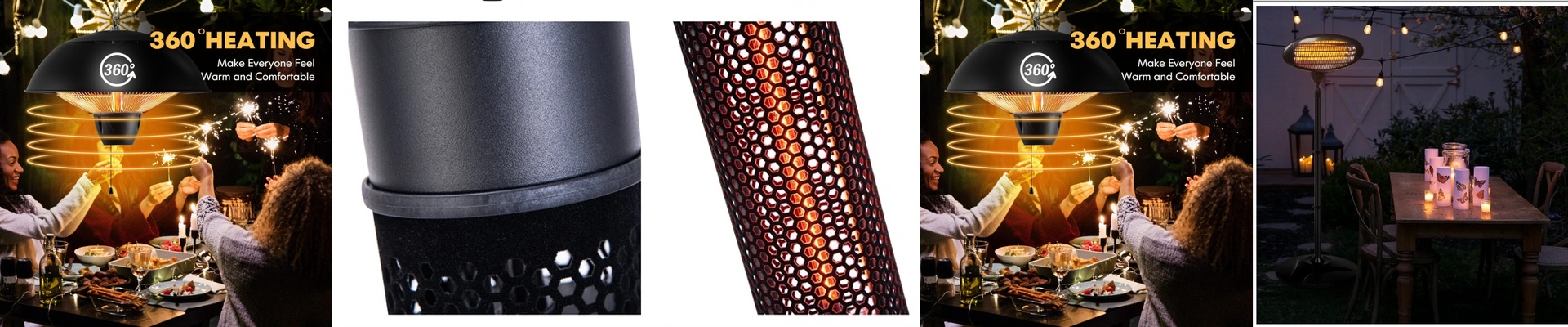
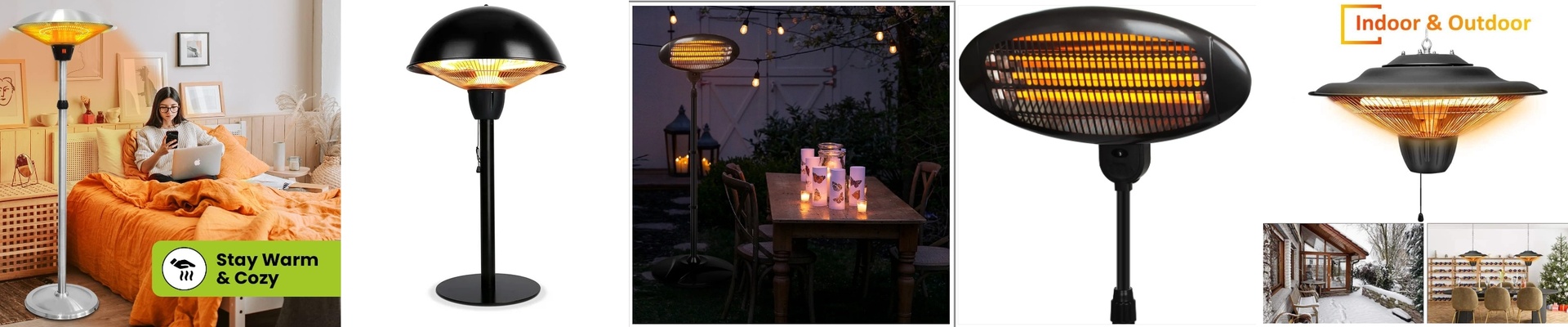
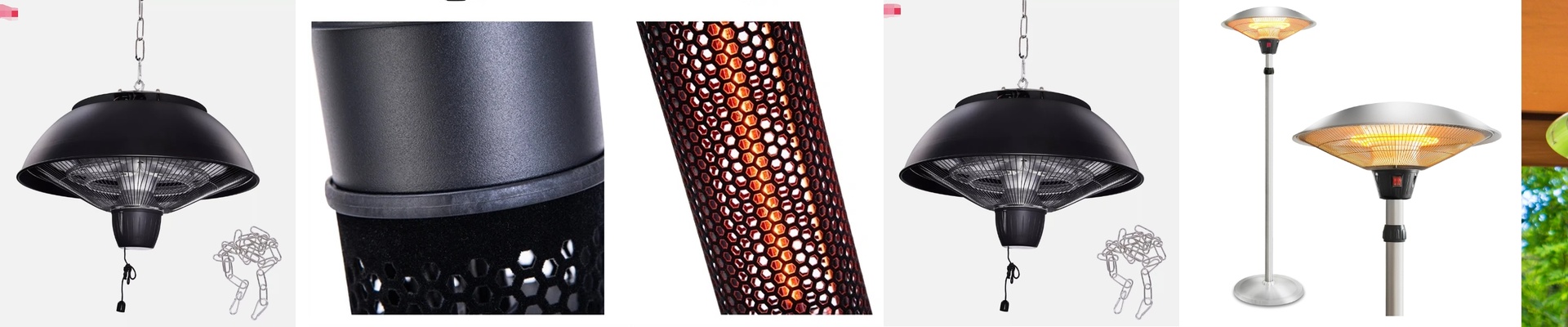
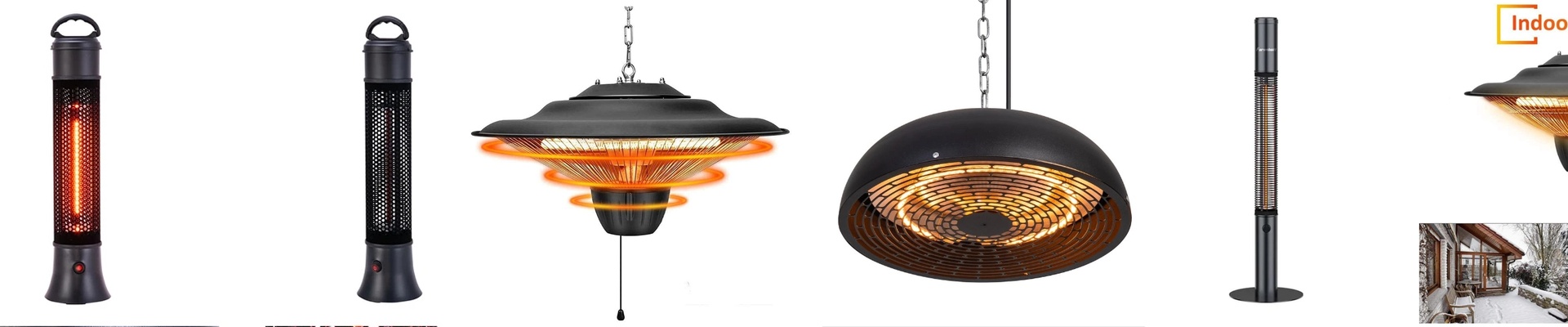
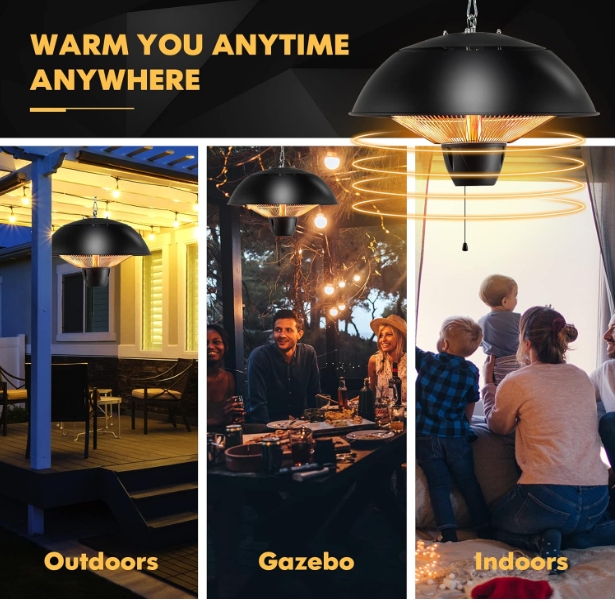
Let’s talk about keeping your patio buzzing when the temperature drops. We built our high-ceiling infrared heaters for exactly that—to fight the cold in open-air dining spaces and keep your seats filled. The idea is straightforward: warm your guests without the racket and drafts of forced-air systems, so winter doesn’t have to mean slow nights.
Power and Reach: Heat That Goes the Distance
Patios are big, open spaces, and these heaters are built to handle that. We run them on 400V instead of the usual 220V. That extra voltage gives us the muscle to pack enough punch to send heat across long stretches—think 15 to 20 feet—so even the farthest table feels the warmth. A 2500W output packed into a 300mm tube focuses all that energy into a tight beam. That’s how we get the heat right down where people are sitting, instead of letting it get swallowed up by a 15-foot ceiling.
The Inside Story: Fast, Tough, and Simple
Here’s what makes them work: a shortwave halogen element inside a quartz tube. It fires up almost instantly, so you get full heat within seconds of flipping the switch. The tube is coated to handle the stress of heating up and cooling down again and again, and to stand up to the weather. And the connector? It’s an R7s base—solid, industrial-grade, and built to handle high current safely. When the tube finally reaches the end of its life, swapping it out is as easy as plugging in a new one.
Why This Matters for Your Restaurant
For an open-air spot, this setup is a direct answer to the cold-weather problem that kills revenue. Infrared heat is directional, so it warms people and tables directly, not the empty air between them. That means you can heat just the zones that are in use, which keeps energy use in check. There is one thing to keep in mind: this is intense radiant heat. So you’ll want to make sure the installation spots stay clear of anything flammable and that there’s enough space around to keep nearby surfaces from getting too hot. When you get it right, the payoff is simple. Your patio stays usable, your seats stay filled, and the heaters only run when they need to. Winter cold becomes winter revenue.