
Stop the Chipping: Why Infrared Preheating Actually Works
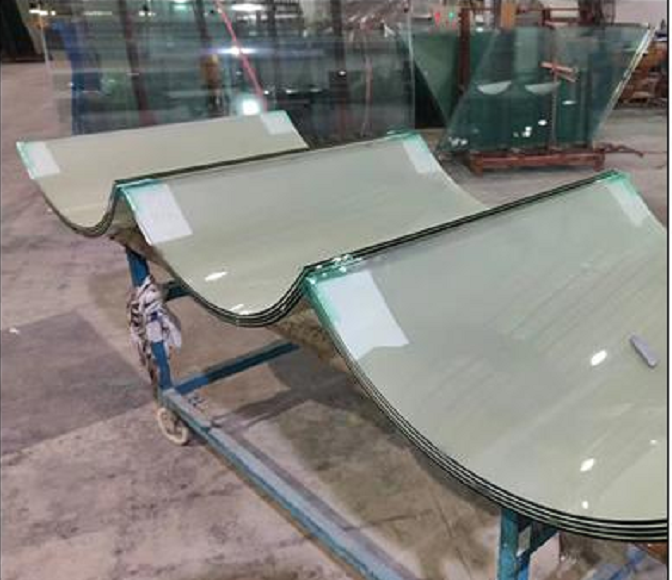
Cutting glass is basically just a game of managing stress. When that diamond wheel hits the surface, it creates a tiny zone of intense tension. If the glass is cold, that stress doesn’t spread evenly. That’s where you get those annoying chips and corner breakouts that ruin a perfectly good piece. Here is the trick: warm it up first. We use short-wave infrared (IR) heaters to get the glass surface temperature up right before the cut. Think of it as softening the glass just a tiny bit at a microscopic level. This helps the score line travel in a straight, predictable path instead of jumping around. When you get rid of that harsh temperature difference between the cutter and the glass, the break is just… cleaner. Way cleaner. Getting the gear right You can’t just use any old heater. You need high-wattage quartz lamps. If the power is too low, the glass won’t heat up fast enough to keep up with your conveyor belt, and you’re back to square one. We usually go for lamps with high heat density so the glass hits the right temp in a matter of seconds. But you have to be careful. It’s a balancing act. If you crank the heat but don’t speed up the line, you’ll hit a point of thermal shock. Then you’re not chipping the edges—you’re cracking the whole sheet before it even reaches the cutter. The practical side of things Adding this to a marine or industrial line isn’t just “plug and play.” These IR arrays pull a lot of power. If your electrical panel isn’t ready for that kind of load, you’re going to be tripping breakers every time you start the heat-up cycle. And a heads-up on the hardware: quartz tubes are fragile. Really fragile. You’ll want to shield them from flying glass shards and coolant spray. If you don’t, those tubes will burn out way faster than they should, and you’ll be spending your afternoon replacing parts instead of shipping orders.