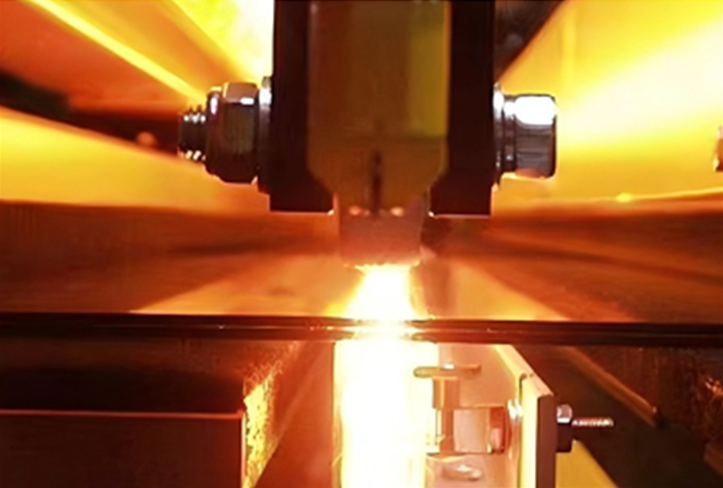
Stop Fighting with Your Voltage: A Real-World Guide to Glass Annealing
If you’ve ever moved a piece of glass equipment across a border or tried to breathe new life into an old machine, you know the drill. You get everything set up, you’re ready to go, and then you hit the electrical wall. It’s a nightmare. If you plug a 110V bulb into a 480V industrial line, it doesn’t just “not work.” It pops. Instantly. And suddenly, you’re staring at a dead lamp and a lot of wasted time.
Getting the Power Right
Here is how we handle it: we build our infrared lamps to fit your actual grid, not some theoretical standard. Whether you’re working out of a small lab on 110V or running a massive plant on 480V or 575V, the guts of the bulb have to change. We tweak the filament diameter and how the coils are packed. By adjusting the electrical resistance, we make sure you get the same heat output regardless of what’s coming out of your wall. The upside to those high-voltage bulbs (480V+)? You pull less current for the same amount of heat. That means you can use thinner wires and you don’t have to worry nearly as much about voltage dropping off across a long cable run. It just works.
The Balance of Heat and Hardware
We use high-purity quartz because annealing ovens are brutal. They cycle on and off constantly, and the material has to take that beating without cracking. We also spend a lot of time on the spectral output—basically making sure the heat actually sinks into the glass rather than just sitting on the surface. But you can’t just crank the power to infinity. There’s a trade-off. A high-wattage bulb gets you up to temperature fast, which is great for your timeline. But it puts a lot of stress on the quartz. If you try to shove too much wattage into a short tube, that filament is going to give up on you a lot sooner than it should.
Making it Fit
We make these as drop-in replacements. You shouldn’t have to rip apart your entire control panel just because you changed a lamp. One thing to watch out for, though: high-voltage setups create some serious localized heat. If you go with a 575V system to max out your throughput, make sure your ventilation can actually keep up. If the housing gets too hot, your lamp life will tank. Double-check your tolerances before you flip the switch. It’ll save you a lot of grief later.