


The Trick to Fixing Train Glass on the Fly
When you’re trying to anneal train window glass right there on the platform, you’ve got a real puzzle on your hands. You need a massive amount of heat, but you don’t have room for a giant industrial oven. You’re basically trying to cram factory-level power into a mobile bracket. The goal is to dump enough energy into the glass to kill those internal stresses, but not so much that you melt your own gear or blow a fuse the second you plug it in.
Cramming Power into a Small Space
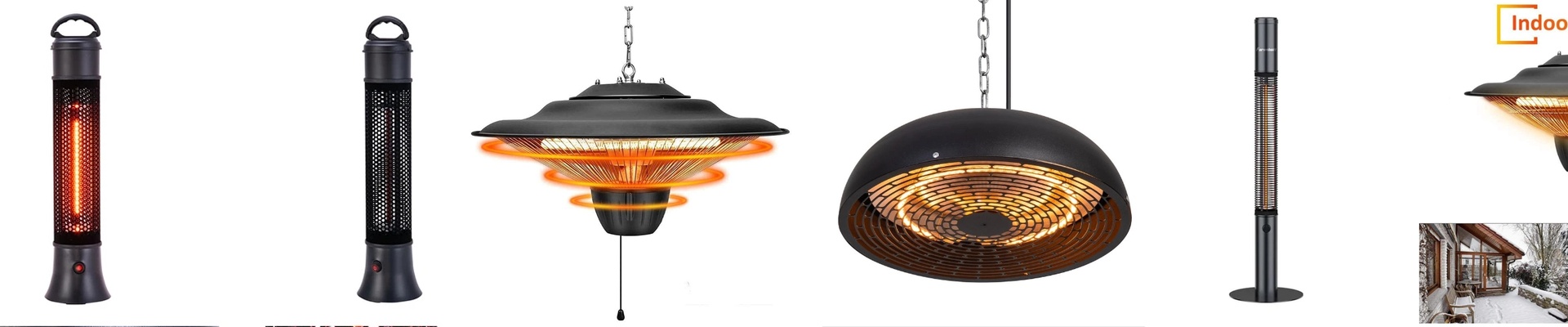
Working with a tiny frame means things get tight. Fast. We stick with shortwave IR lamps because they actually get into the glass, whereas medium or longwave options just bounce off the surface. To keep the rig portable, we use tubes with a high wattage-per-centimeter. But here’s the catch: heat soak. When you pack that much power into a small box, the housing takes a beating. If you don’t get the shielding and airflow exactly right, the bracket itself will start to warp. Not a great look.
Picking the Right Parts
We usually go with quartz halogen tubes. Why? Because they heat up almost instantly. In the field, you can’t afford to sit around waiting for a lamp to warm up. By tweaking the filament length and voltage, we can hit the temperatures we need, even when the mobile power supply is being stubborn. And we use standard connectors. It sounds simple, but it’s a lifesaver. If a lamp pops while a tech is out on the rail line, they can just swap it out in a few minutes. No rewiring, no headaches, no wasted afternoon.
Making it Work in the Real World
At the end of the day, it’s all about that controlled soak. We position the IR elements so the heat hits the glass evenly. If one spot is hotter than the rest, you’re just creating new stresses while you’re trying to fix the old ones. By shrinking the heating array, the bracket actually fits inside the narrow space of a train carriage. You get the same muscle as a stationary system, but you can actually carry it to the job.