
Why your glass batches aren’t coming out the same
If you’ve spent any time annealing glass, you know the frustration. You pull the first tray out and it’s flawless. Then you get to the last one and—bam—residual stress or a weird warp. It’s a nightmare. Most people assume the controller is acting up. But usually? It’s the lamps.
The problem with “cheap” heat
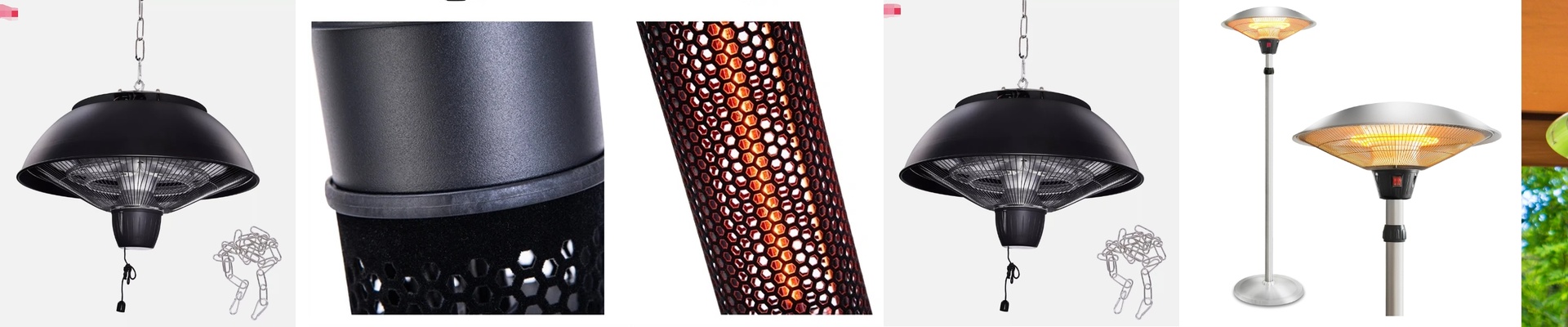
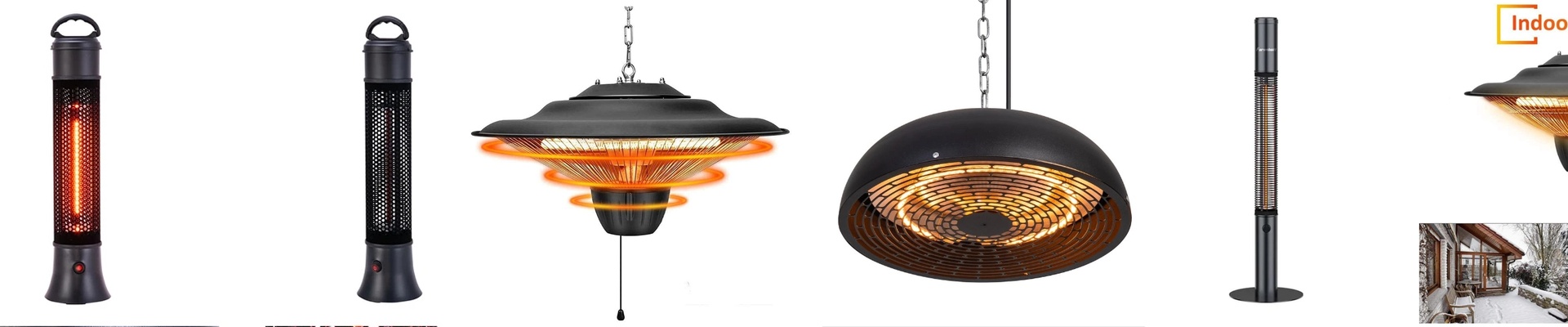
Here is the thing: not all IR lamps are created equal. Cheap ones have sloppy tolerances. One lamp might be pushing 1200W while the one right next to it is lagging at 1100W. That might not sound like much, but in glass work, a tiny 5% difference in heat can be the difference between a perfect piece and a structural failure. You end up with hot spots that ruin your day. We take a different approach. We obsess over the filament diameter and the gas pressure inside the tube. Why? Because we want every single lamp in your bank to hit the exact same wavelength and intensity. It means you can stop wasting your time manually “tuning” different zones. It just works.
Hardware that actually lasts
Consistency isn’t just about the bulb, though. It’s about how that bulb handles the grind. We use high-purity quartz because it stops the glass from clouding over too quickly. Once a lamp gets cloudy, the heat distribution drifts, and you’re right back to square one with inconsistent batches. And while you’re at it, take a look at your wiring. If you’re running a long bank of lamps and your voltage drops by the time it hits the end of the line, those last few lamps are going to underperform. Using heavy-gauge wiring keeps the power steady across every single socket.
The honest trade-off
I’ll be straight with you: these lamps cost more than the generic stuff. You’re paying for the sorting. We basically “bin” our lamps, picking only the ones with matching power outputs to go into a single shipment. One last tip: these tubes put out a lot of intense heat. If your housing isn’t vented well, you’ll fry your sockets long before the filaments actually give out. Make sure your airflow is dialed in.