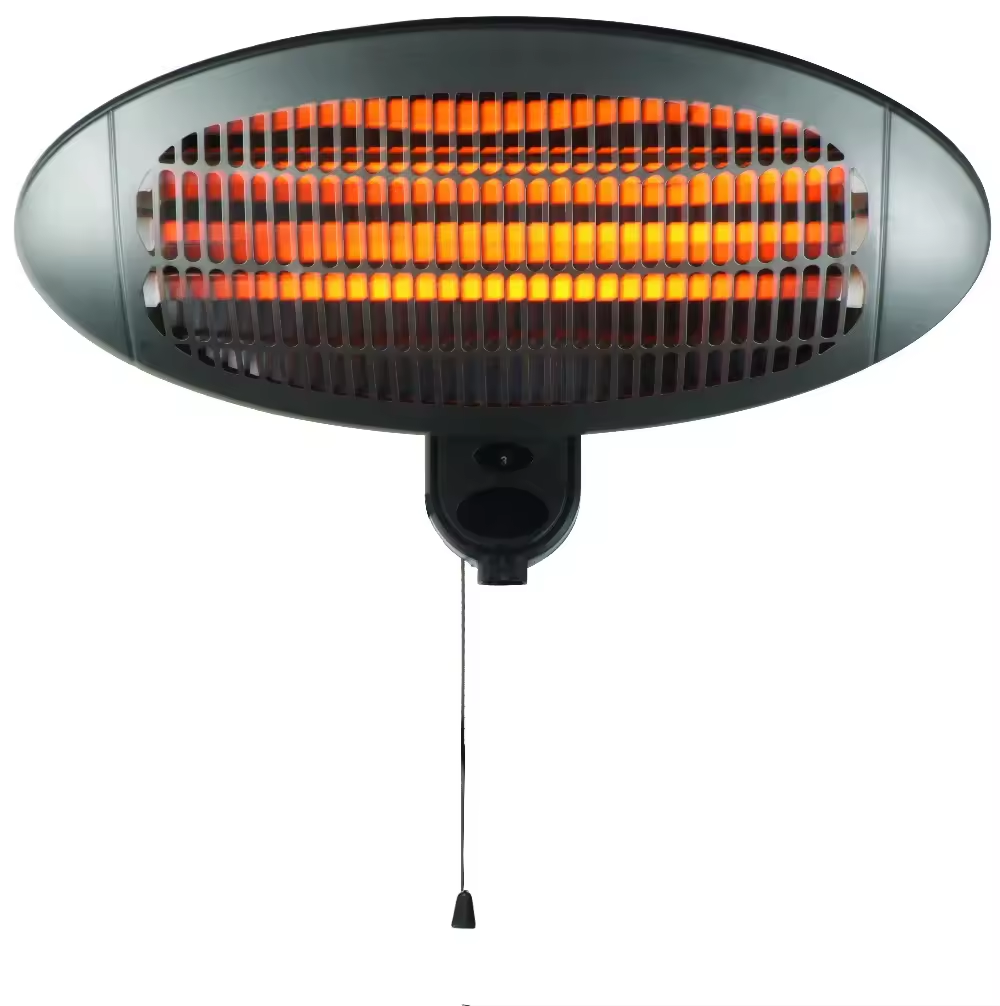
Why we put our bathroom lamps through hell
Bathrooms are honestly the worst place for a heating element. Think about it. One minute it’s bone-dry, and the next, you’ve got 100% humidity filling the room. It’s a brutal cycle. If a lamp isn’t built for that, the seals give out. Moisture creeps into the filament, and the whole thing just burns out. We don’t want to guess if a lamp will last. That’s why we use damp-heat aging tests to find the breaking point long before the product ever reaches your warehouse.
Creating a “Bathroom from Hell”
Our aging chambers basically cram years of wear and tear into a few weeks. We blast the lamps with high-temp steam and swing the temperature back and forth rapidly. We aren’t just checking to see if the light turns on. We’re looking for the nasty stuff—oxidation on the contact points or a breakdown in the insulation. When moisture hits a hot quartz tube, any tiny flaw in the glass or a loose seal on the R7s or SK15 base will cause it to fail. Fast.
The real reason they fail
Water vapor and electricity don’t get along. In a typical bathroom heater, the lamp gets incredibly hot while the housing stays damp. This creates a massive temperature gap, which leads to condensation. If that seal isn’t airtight, moisture migrates inside and you get “arcing” at the terminals. Here’s the thing: a lamp can pass a basic quality check and still die after 50 hours of real-world humidity. Our aging process forces those hidden defects to show their faces early.
The trade-off
To make these lamps last, we use tighter seals and thicker coatings. Now, this can slightly shift the infrared spectrum. You might notice a tiny difference in how the heat distributes compared to some cheap, untested alternative. But honestly? That’s a trade we’re happy to make. It’s much better than having a customer’s lamp pop the second they take a hot shower. We’d rather give you a stable 5,000-hour lifespan than a tiny bit of extra initial heat that disappears when the bulb blows.