
Fixing Those Annoying Cold Spots in Glass Annealing
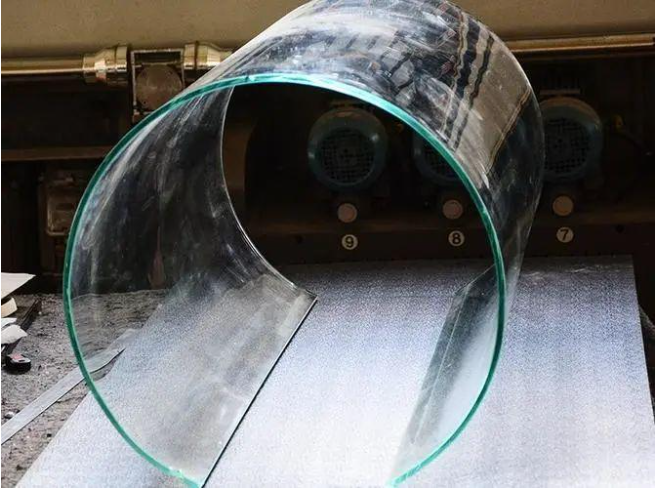
If you’ve ever worked with complex glassware, you know the frustration of “thermal dead zones.” You pull a piece out of a standard kiln, thinking it’s fine, only for it to crack later because a deep curve or a weird angle didn’t get enough heat. Standard convective heating just doesn’t cut it when the geometry gets tricky. It misses the spots that matter most, leaving internal stress that eventually kills the piece. We found a better way: swapping out those generic heating elements for targeted IR quartz tubes. Getting the heat where it actually needs to go Most heating arrays leave gaps. It’s like trying to warm up a room with a single space heater in the corner—some spots are roasting, and others are freezing. By using IR quartz lamps, we stop relying on the air and start using direct radiant energy. These tubes send short-wave radiation straight through the glass wall, heating the material from the inside out. For the really complex stuff, we set these tubes up on multiple axes. It’s all about making sure the heat hits every single curve, so those stress-inducing cold spots simply disappear. The nitty-gritty on the gear We use high-purity quartz for the tubes because it can take the heat without warping. Inside, there’s a tungsten filament we’ve calibrated to fit right in with your kiln’s power supply. But here’s the thing: you have to find the right balance between heat density and tube length. If you’ve got thick-walled glass, a shorter, high-wattage tube gives you that intense punch of heat you need. Just be careful. If the piece is too close, you risk overheating one spot. And if you’re running these tubes at full blast, make sure your cooling fans are up to the task. You don’t want your sockets burning out just because the housing got too hot. Setting it up and keeping it running The best part? These are basically drop-in replacements. We use standard connectors, so you can wire them up without having to tear apart your chassis or do any fancy modifications. One quick tip on maintenance: quartz is fragile. Every few months, just double-check your mounting clips. If they’re too tight, the tube won’t have room to expand as it heats up, and that’s how you get cracks. Keep them snug, but give the glass some room to breathe.