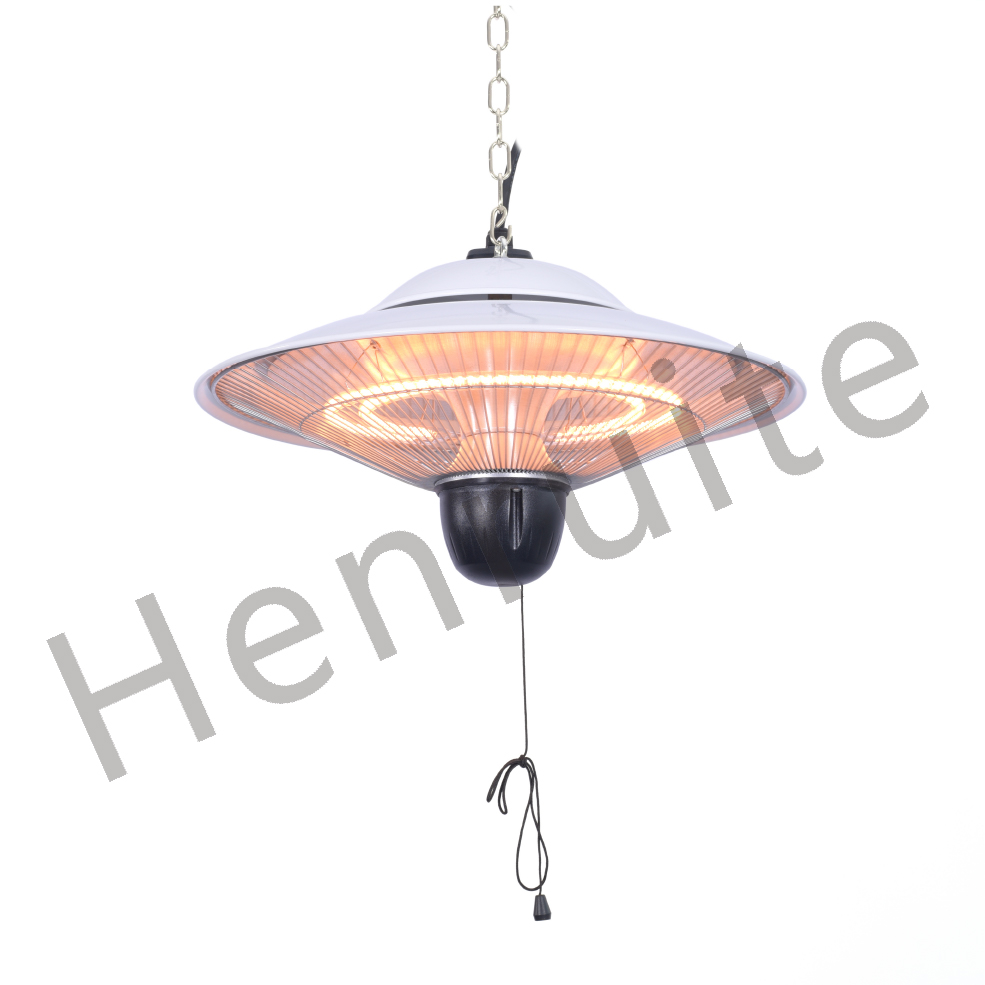
The Secret to Why Some Outdoor Heaters Just Keep Working
If you’ve ever dealt with IP65 outdoor infrared heaters, you know the cycle. They get scorching hot, then they cool down in damp, salty, or rainy air. It’s brutal. Most people think a “waterproof” heater is a safe bet. But here’s the thing: these units rarely fail because the main body leaks. They fail at the lead-wire entry point. When moisture sneaks into a hot wire junction, it triggers oxidation. Then the insulation breaks down. Before you know it, you’ve got arcing, short circuits, and a dead heater.
Why the “Standard” Way Fails
A lot of factories just slap on some basic silicone gaskets and call it a day. The problem? Silicone dries out. Once that seal cracks, moisture doesn’t just leak in—it wicks. Because infrared systems concentrate so much heat at the filament ends, it creates a vacuum effect. It basically sucks humid air directly into the electrical connection. We do things differently. We use high-temp vulcanized seals and reinforced potting compounds. They don’t shrink or shrivel up when they hit 200°C. It actually stays put.
Stopping the Short Circuit
Cheap seals let the wire insulation slowly burn out. It’s a slow death. We pick materials that can handle thousands of heat cycles without losing their strength. By building the seal right into the wire transition, we kill the oxidation process before it even gets a chance to start. You end up with a closed system. No air gaps. No moisture. Just a connection that works.
One Small Catch
There is a trade-off, though. Because the sealing is so tight, the wiring is a bit more rigid. You can’t just bend these leads aggressively during installation. If you kink the wire to force it into a tight housing, you might actually break the seal. Just keep it straight. When you get the sealing right, you stop those annoying, random outages. You move the failure point away from the electronics and onto the parts that are actually meant to wear out. It’s just common sense.