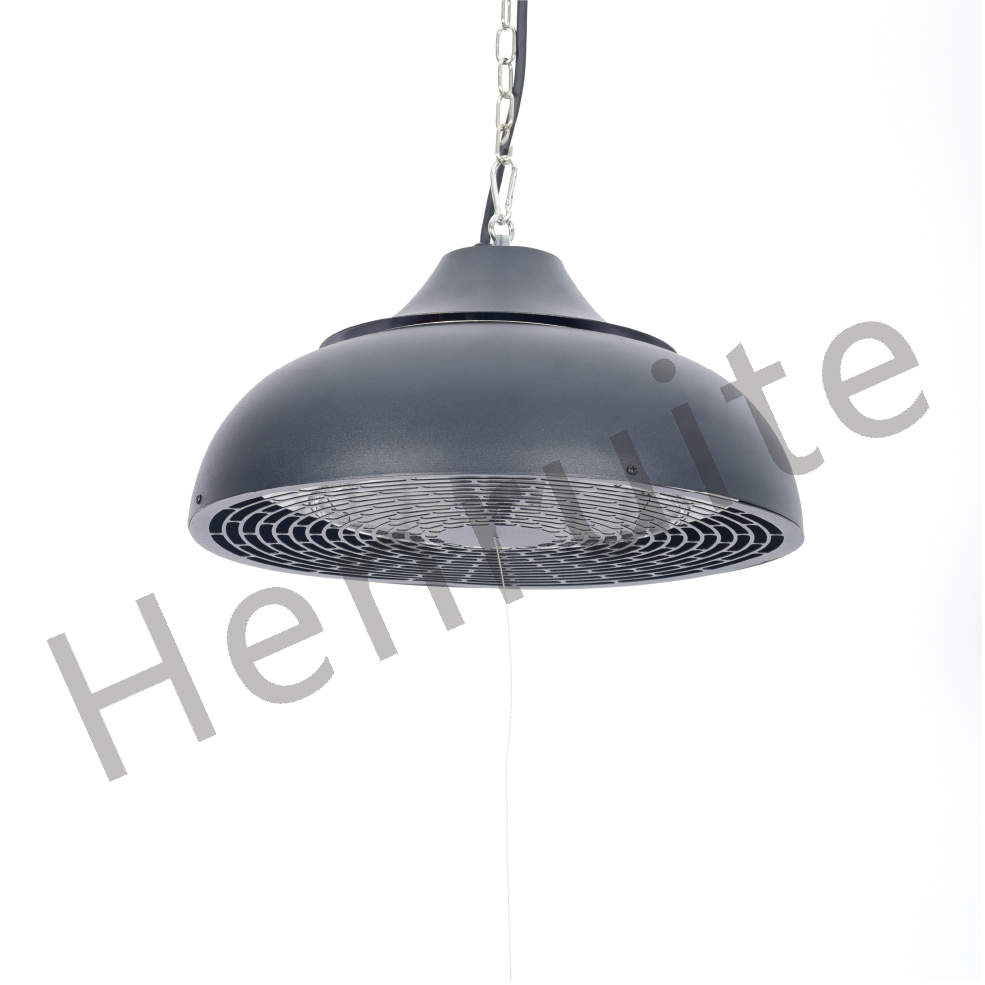
Why we stopped making “disposable” bathroom heaters
Most people install a bathroom infrared heater and then completely forget it exists. That is, until the heating element burns out and the room stays freezing. Usually, that’s when the nightmare starts. To fix one broken tube, you basically have to rip the whole thing apart. It’s a mess. So, we decided to do things differently. We built our heaters with a modular setup, which basically means we separated the heating core from the waterproof shell. Now, if something breaks, you just swap the part. No rebuilding required.
Maintenance shouldn’t be a fight
Think about it. If you’re fixing a heater five years from now, the last thing you want is to spend an hour fighting with rusted screws or stubborn glue. We used quick-release fasteners and simple plug-and-play connectors. You can slide the heating module out of the waterproof case in a couple of minutes. It’s fast. Really fast. Plus, because you aren’t hacking away at the chassis, you don’t risk ruining the waterproof seals. It saves a ton of time and a lot of frustration.
The trade-off (and why it’s worth it)
Here’s the thing: keeping a unit waterproof while making it easy to open is a bit of a balancing act. To make this work, we use compression gaskets and reinforced seals to keep the moisture away from the electronics. Because of that, the heater is a few millimeters larger than those fully welded units that you have to throw away the moment they break. But honestly? A tiny bit of extra size is a fair price to pay for not having to replace the entire unit every time a tube goes out.
A win for the people managing the building
If you’re managing a commercial building, you know the drill. When a heater dies in a public restroom, you usually just toss it. Why? Because paying a technician to spend two hours tearing it apart costs more than just buying a new one. Our design flips that logic on its head. You keep a few spare modules on the shelf, swap out the burnt tube, and you’re done. What used to be a total failure becomes a boring, 10-minute chore. It means your heaters actually last a decade instead of hitting the landfill after five years.