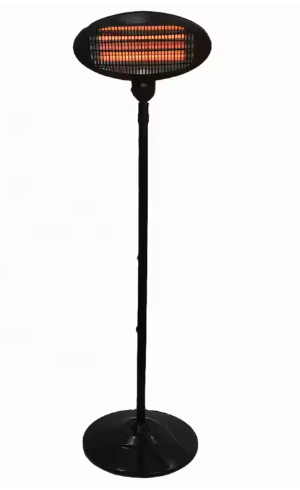
Stop the Shivers: How to Actually Warm Up a Changing Room
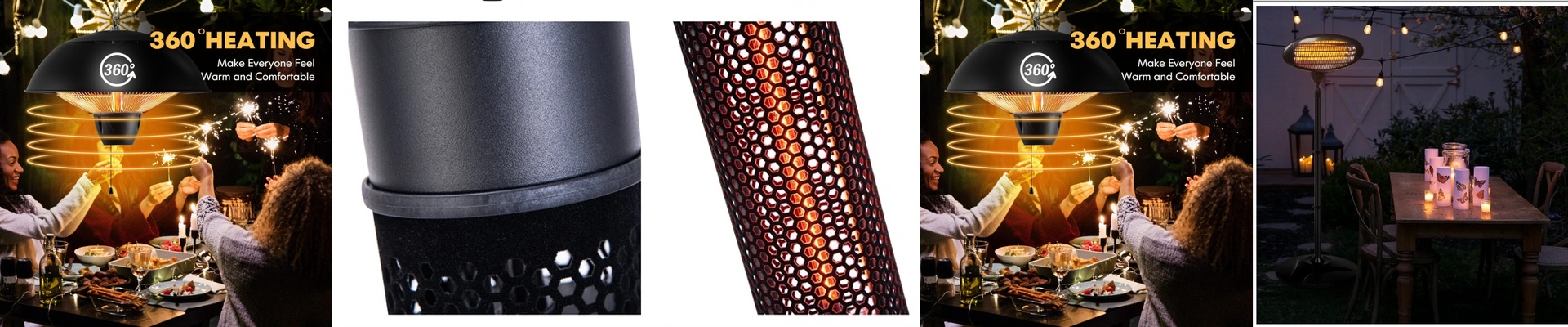
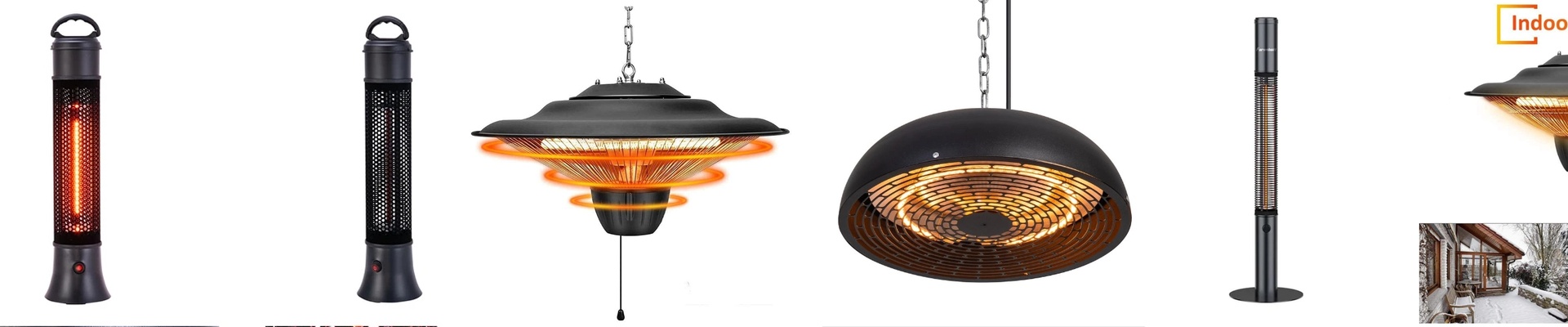
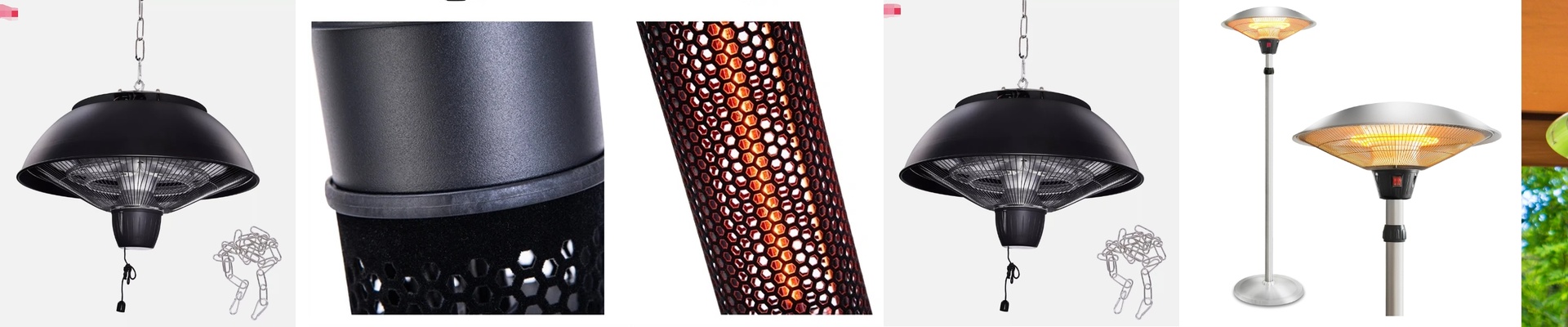
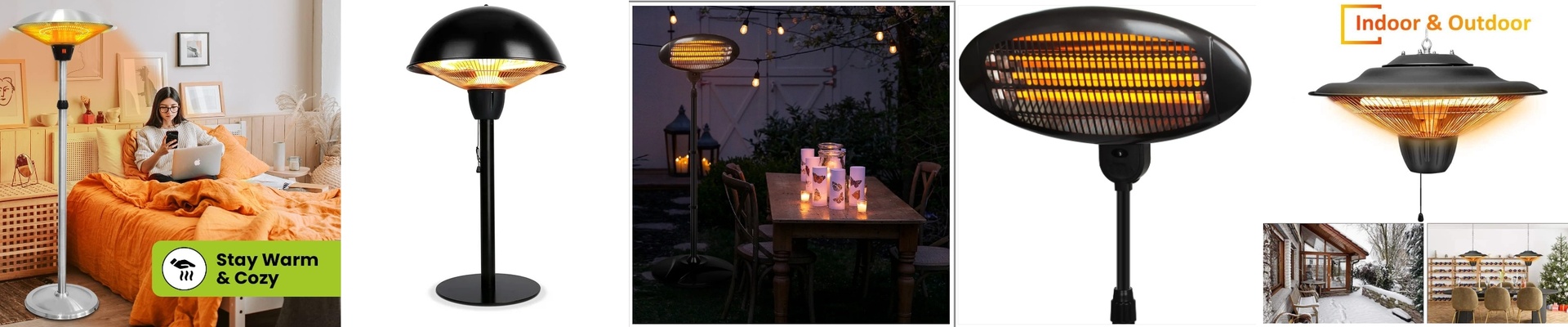
Nobody likes that freezing feeling of stepping out of a shower into a cold changing area. It’s miserable. If you try to fix it with a standard heater, you’re basically just heating the air—which usually just floats up to the ceiling while your guests are still shivering. That’s why we use shortwave infrared (IR). Instead of messing around with the air, it sends warmth straight to the skin and clothes. It’s almost instant. One second you’re cold, the next you’re warm. Simple as that. The secret is in the physics Most heaters rely on convection, which is way too slow for big bathrooms or open layouts. Our wall units use quartz heating elements. When the power hits the filament, it gets hot enough to throw out shortwave radiation. Unlike the longwave stuff, this penetrates deeper. You don’t just feel a lukewarm breeze; you feel a deep, immediate warmth. What’s actually inside the box? We don’t cut corners on the materials. We use high-purity quartz glass because it lets the IR waves through without blocking them. The filaments are tungsten, and we fill them with halogen gas. Why? Because it keeps the elements from burning out too quickly. Since these live in bathrooms, they have to survive steam and the occasional splash. That’s why they’re IP-rated. We also use aluminum reflectors to push the heat forward. Just a heads-up: keep those reflectors clean and dent-free. If they get scratched up, the heat doesn’t bounce correctly, and you lose that focused warmth. A few things to watch out for during install You can’t just plug these in and hope for the best. High-wattage IR heaters pull a lot of power the moment they kick on. If you’re putting ten of these in a row, make sure your breakers can handle the peak load. You don’t want the lights going out just as the heat starts. Also, remember that this heat is directional. It goes where it’s pointed. If you mount the units too high, your guests’ heads will be toasted while their toes are still freezing. We’ve found that 2.1 to 2.4 meters is the sweet spot. It hits the person perfectly without melting your ceiling tiles.