
Let’s Talk About Bathroom Infrared Heaters (And Why They Shouldn’t Blind You)
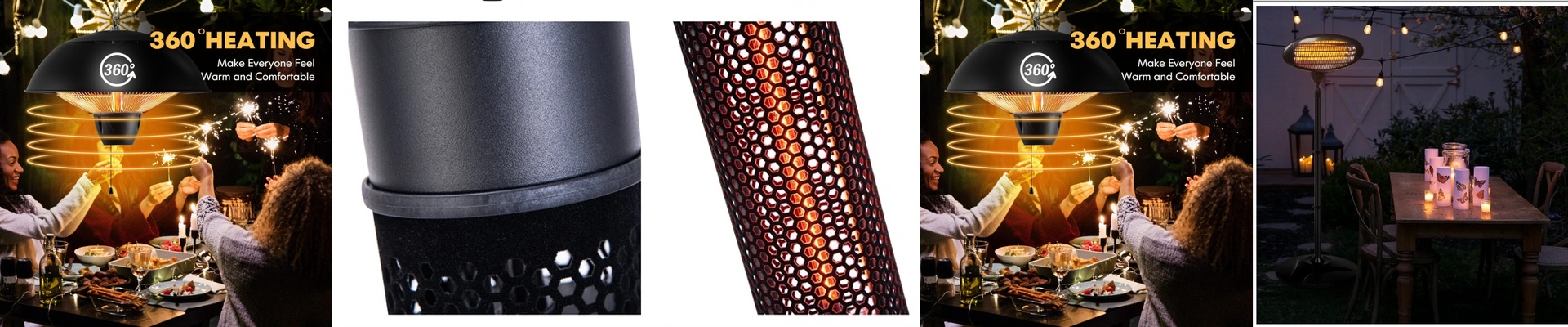
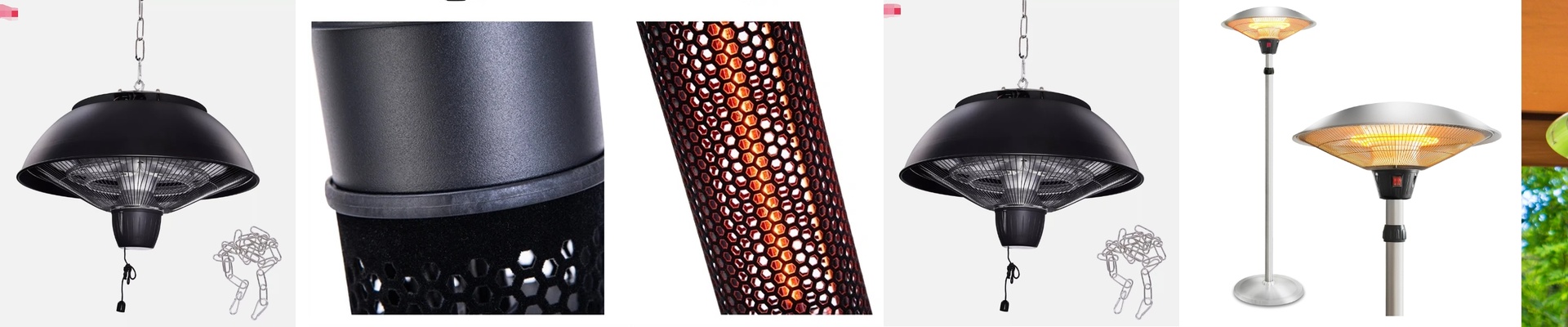
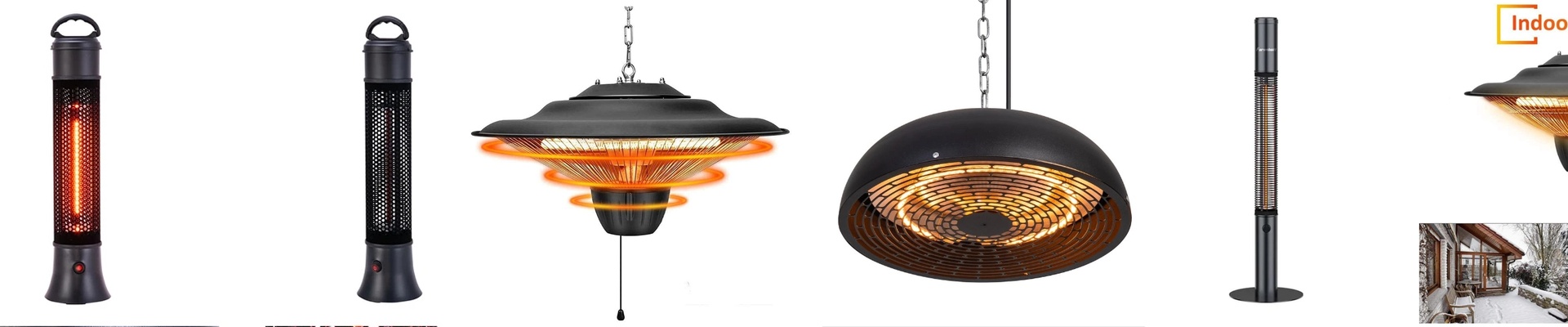
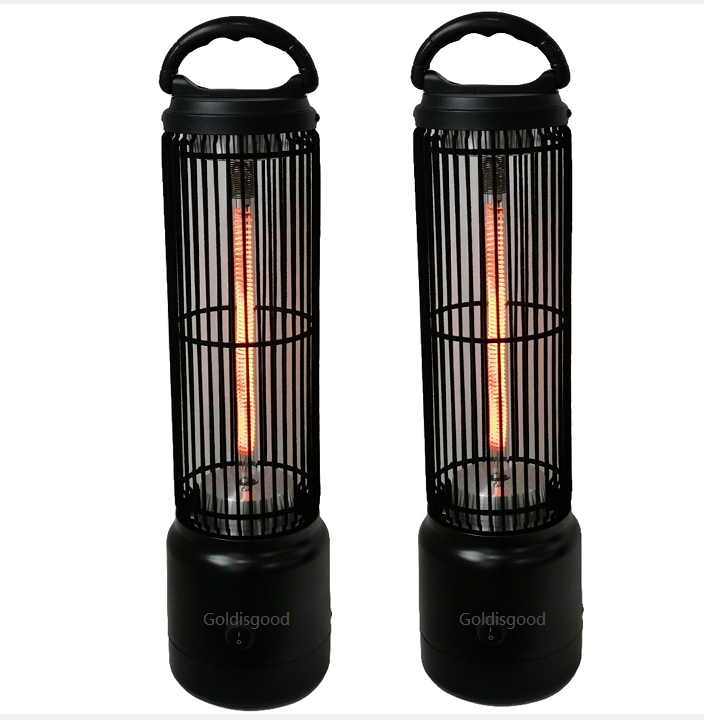
When we’re building infrared lamps for the bathroom, heat is obviously the goal. But there’s something else that matters just as much: the light. You’ve probably seen those standard short-wave lamps. They’re blinding. If you’re using one in a bathroom—especially if there’s a baby around—that level of glare is just too much for the eyes. Nobody wants a heater that feels like staring into the sun. Getting the light right To fix this, we play around with the physics of the lamp. We add specific materials to the quartz glass or use special coatings to block out that harsh, visible light. By shifting the focus to medium or long-wave IR, we get rid of that “blinding” effect. The heat still sinks deep into the skin, but your optic nerve doesn’t take a hit. Now, here’s the trade-off: filtering the light means the lamp doesn’t heat up quite as fast. But honestly? That’s a price worth paying for safety. The nitty-gritty of the build Inside, you’ve got a tungsten filament wrapped in high-purity quartz. Since bathrooms are basically steam rooms, we have to be obsessive about moisture. Waterproofing isn’t just about putting a plastic shell around the thing. It’s all in the seal. We use high-temp ceramic insulators to make sure the electricity stays where it belongs, even when the air is thick with humidity. One more thing: don’t skimp on the housing. These lamps pack a lot of energy into a tiny space. If your reflector isn’t polished to a mirror shine, you’re basically wasting 20% of your heat by sending it straight into the ceiling instead of onto the person. A few warnings for installation Please, do yourself a favor: use heat-resistant cabling. If you use standard PVC, it’ll melt and short out in a matter of weeks. Go with silicone or fiberglass braided wire instead. Also, keep in mind that these “eye-safe” filtered lamps usually run hotter at the filament to make up for the filter. Because of that, make sure your thermal cutout is tuned to the exact wattage of the tube. You don’t want your plastic casing turning into a puddle.