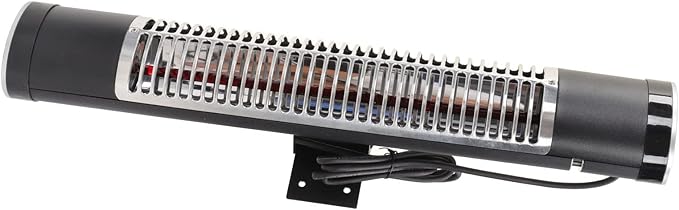
Why your old bathroom heat lamps keep dying (and what to do about it)
Most of us have dealt with those old-school bathroom “light-warmers.” You know the ones—those halogen tubes that feel like they’re fighting a losing battle against the steam. The problem is that bathrooms are brutal on electronics. Moisture finds a way into everything. It creeps into the sockets, shorts out the wiring, or just cracks the glass the second a cold drop of water hits a hot bulb. It’s a recipe for a dead fixture. That’s why everyone is switching to IP55-rated infrared heaters. They’re actually built for the chaos of a wet room. What’s the deal with “IP55”? It sounds like a serial number, but it’s basically a promise that the heater won’t give up the ghost. The first “5” means dust can’t get into the electrical guts. The second “5” is the important part: it means the unit can handle water jets hitting it from any angle. Think about it. Between the shower steam and the occasional splash, a standard lamp has way too many gaps where water can settle. An IP55 unit seals all that off. It keeps the wiring dry, which means it actually lasts. Warmth that actually hits you Here is the best part. Standard lamps try to warm up the air. But air is stubborn—it doesn’t hold heat well. You usually have to stand directly under the lamp to feel anything at all. Infrared is different. It sends out waves of energy that travel through the air and hit your skin or the floor directly. It’s like stepping into a patch of sunlight on a cold day. You feel the warmth instantly. No more waiting around for the whole room to thaw out while you’re shivering in a towel. A quick heads-up on installing them We’ve kept these slim so they fit right into your existing ceiling grids. It’s a pretty simple swap. But, there is one thing you need to check. These high-wattage elements pull a bit more power. If you’re living in an older home with dated wiring, your circuit breaker might not be thrilled. You don’t want the power to trip the second you turn the heat on. Just have a look at your electrical panel first to make sure it can handle the load. It’s a small check for a lot more comfort. No more burnt-out bulbs every few months—just a warm bathroom that actually works.