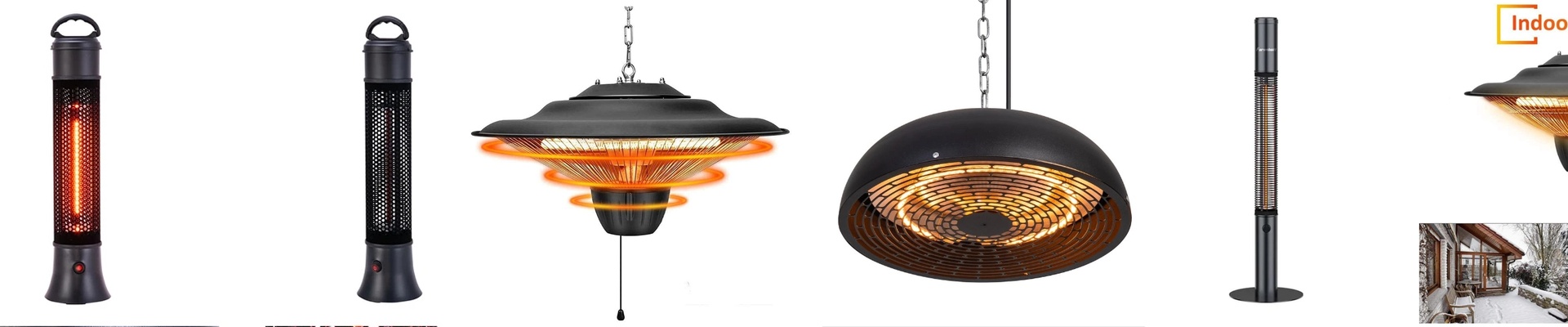
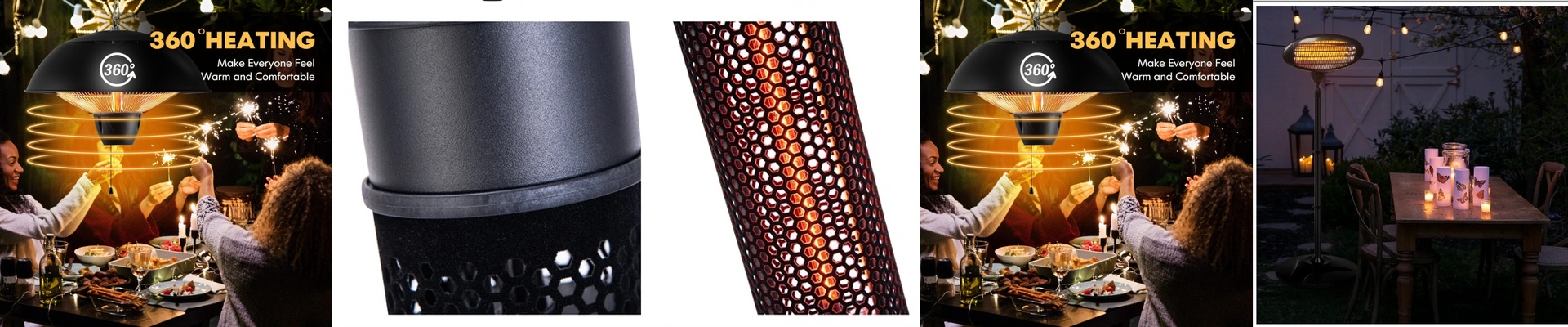

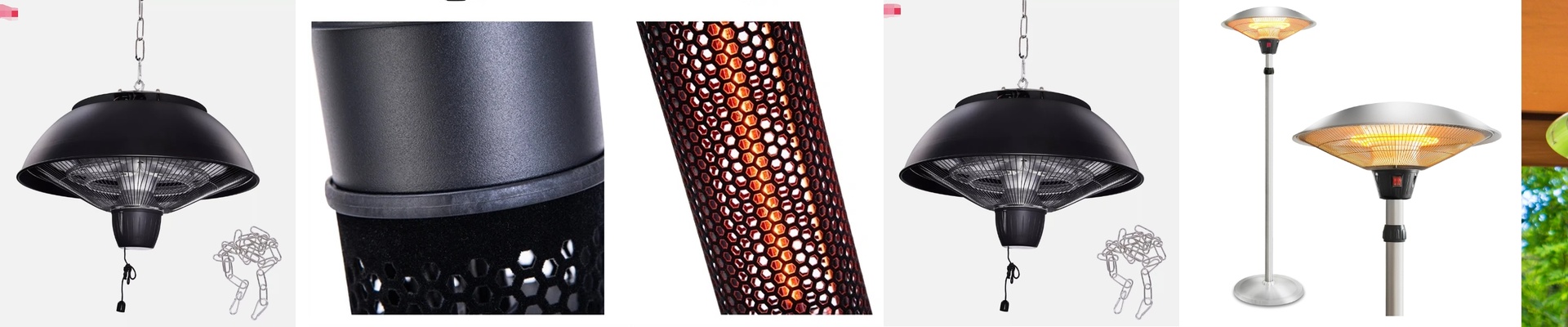

If you’ve ever put a recessed infrared heater in a bathroom or a kitchen, you know the struggle. Humidity is a killer. Most of the time, these things fail because water sneaks into the electrical terminals or gunk builds up on the quartz tubes, ruining them. It’s a headache we’ve seen too many times. So, we decided to fix it by building anti-fog and splash-proof seals right into the chassis. Here is the problem: when water droplets land on a hot heating element, they create these tiny “cold spots.” The glass expands unevenly, and—snap—you’ve got a crack. To stop that, we tucked the heating assembly into a recessed housing with its own moisture barrier. We also use high-temp gaskets to seal the gap between the heater and your ceiling. This keeps the steam and airborne moisture from ever touching the electrodes. Then there’s the splashing. Water loves to travel. It follows the wiring straight to the terminal blocks, which leads to shorts or nasty oxidation. We solved this by using IP-rated enclosures. We basically hid the connections away from the “drip line.” Even if things get a bit messy, the water can’t find a path to the live current. Now, there is one thing you need to watch out for. Because we’ve sealed the unit up to keep the water out, airflow isn’t as free as it is with a surface-mounted heater. You’ve got to make sure your ceiling void is actually vented. If the air up there gets too trapped and overheats, the thermal cut-off will trip. It’s a safety feature to keep your wiring from frying, but it’s a pain if it happens. We built these for the tough spots where standard heaters just give up. By keeping the electronics isolated, you get a unit that actually lasts and way fewer annoying maintenance calls. Just wire it to the right circuit, leave some room for the air to move, and you’re set.