
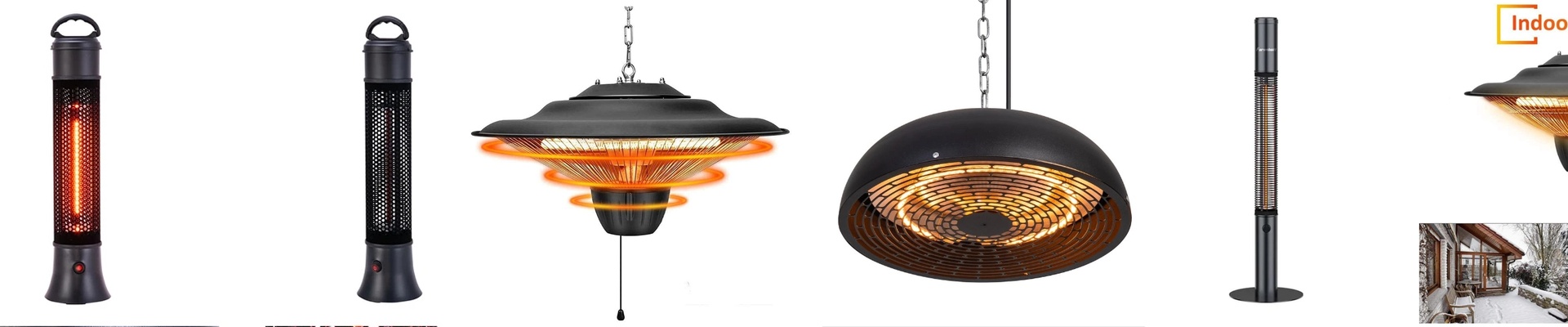

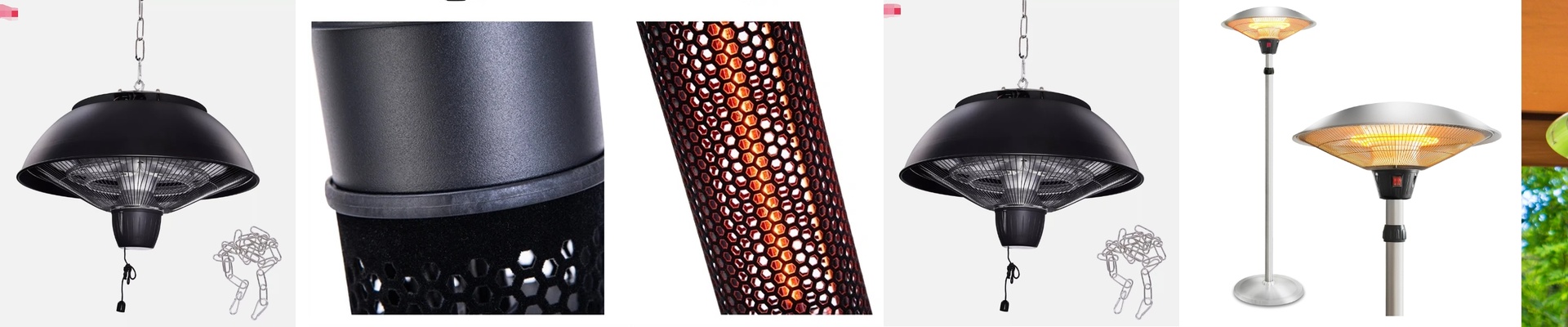

Stop Fighting Your Ceiling Heaters
Let’s be honest: nobody likes working on ceiling heaters. They’re usually stuck in the most awkward spots, way up high where you can’t just reach over and fix things. When a heating element finally gives out after a few years, the actual part is cheap. The real nightmare is the cost of renting a lift, blocking off a section of the floor, and losing hours of production just to swap one piece of glass. It’s a headache nobody needs. That’s why we stopped welding everything together.
The “Drop-In” Approach
Instead of building a permanent, rigid chassis, we went with a modular system. Think of it like a cartridge. If a tube burns out, you don’t have to tear the whole fixture apart. You just slide the broken module out and snap a new one in. It turns a grueling, all-day teardown into a ten-minute job.**Ten minutes.**That’s the difference between a minor annoyance and a full-blown operational crisis.
The Trade-off
Now, this isn’t magic; there’s always a give-and-take. To make this work, we use heavy-duty plug-and-play connectors. We had to be incredibly careful with the electrical side to make sure you aren’t losing power at the terminals. Because of those connectors, the unit is a few centimeters larger than a hard-wired one. But honestly? Who cares about a couple of inches of space when you get that much uptime back? It’s a trade I’d make every single time.
The Reality of Wear and Tear
Industrial environments are brutal. Between the dust buildup and the constant heating and cooling, quartz and halogen tubes are eventually going to wear out. That’s just physics. But because the units are modular, you don’t need a specialist on-site to do precision soldering or risky rewiring while dangling from a lift. It’s simple:
- Kill the power.
- Pop the locking clips.
- Swap the element.
- Flip the switch back on. It keeps your maintenance predictable. Plus, it stops that frustrating “domino effect” where a technician accidentally cracks a perfectly good tube while trying to reach a wire buried deep in the machine.