Stop Letting the Cold Kill Your Outdoor Profits
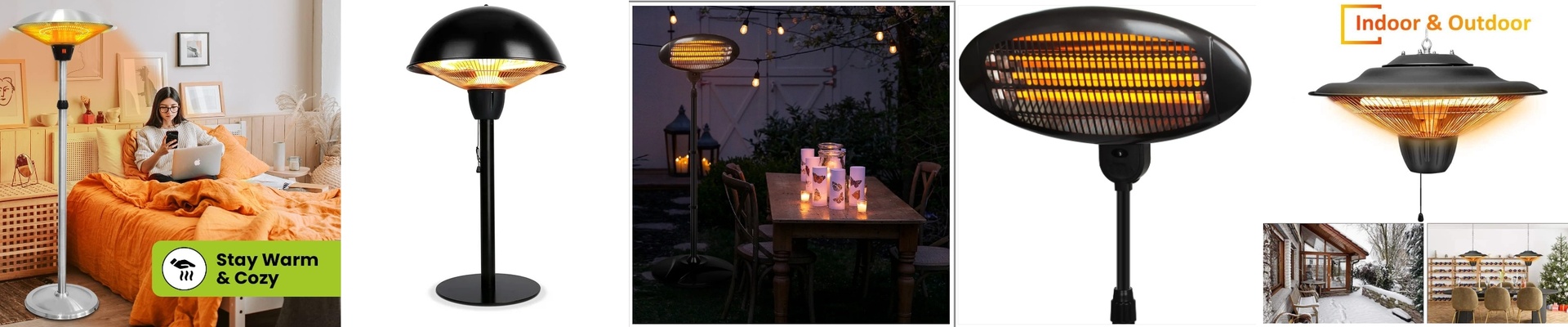
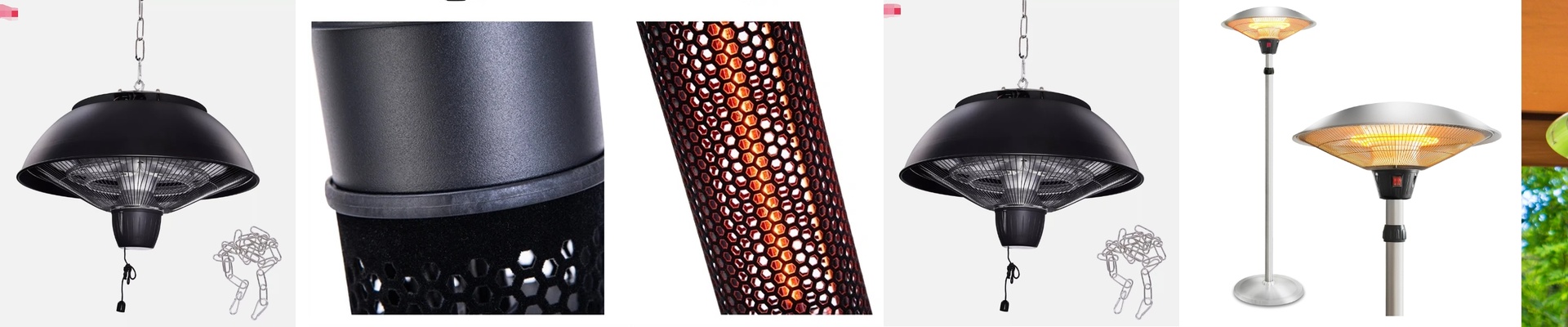
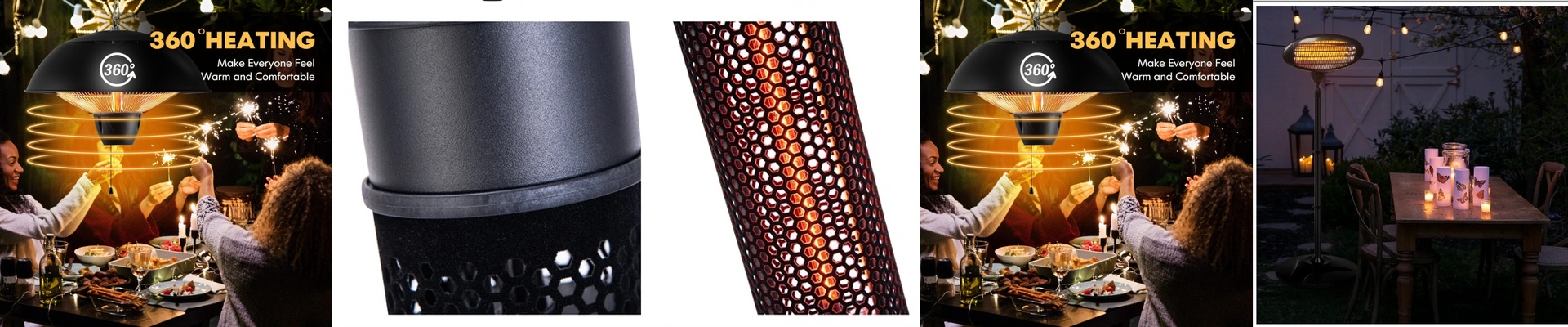
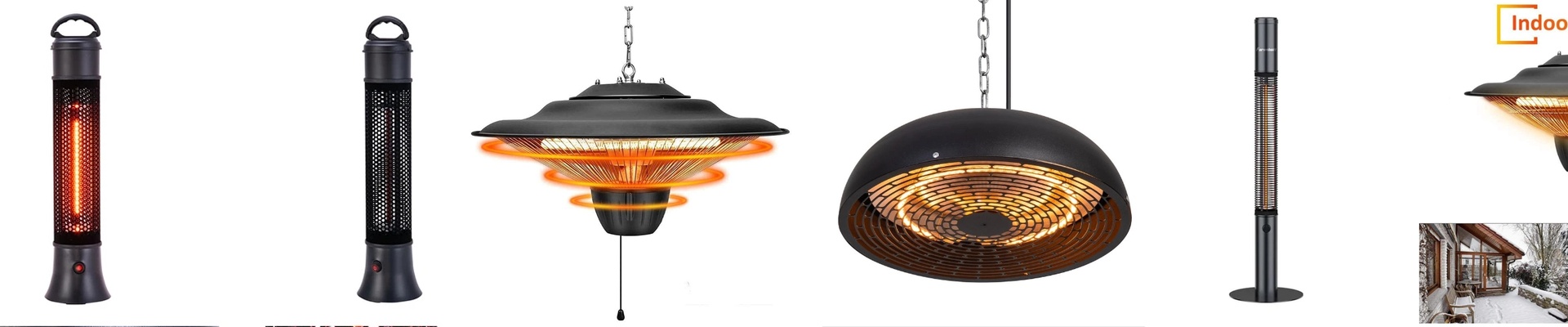
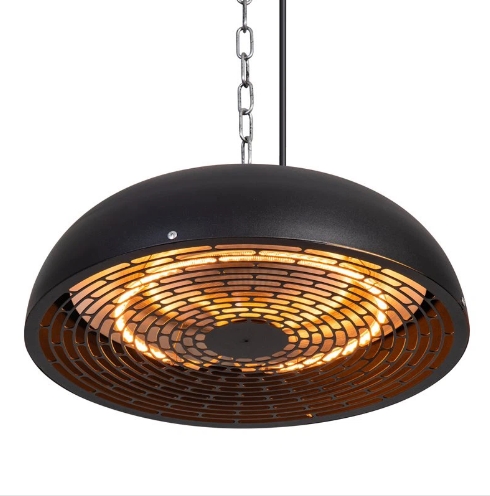
Running a patio in the winter is basically a war against the wind. If you’ve ever tried using those big air heaters, you know the struggle. The moment a breeze hits, all that expensive warmth just floats away, leaving your guests shivering in their coats. That’s why we lean on ceiling-mounted infrared heaters. Instead of trying to heat the air—which is a losing battle—these things beam heat directly onto people. It feels like standing in a patch of sunlight on a crisp day. Keeping the seats full Here’s the reality: nobody wants to sit at a table if they can feel the chill in their bones. When people are cold, they rush through their meal and leave. But when you create those “warm zones,” everything changes. Guests relax. They linger. They order that second bottle of wine or a dessert they weren’t planning on. It’s a simple shift, but it keeps your outdoor space making money all year long instead of sitting empty until May. Getting the setup right We usually go with short-wave or medium-wave lamps. Short-wave is the way to go for drafty spots because the heat hit is almost instant. But you have to be careful with where you hang them. If they’re too high, the warmth disappears before it reaches the table. Too low? Your guests will feel like they’re sitting under a heat lamp at a buffet. It’s all about finding that sweet spot. The “Gotchas” (What to watch out for) Before you buy a dozen units, check your electrical panel. These heaters pull a lot of power. If you just plug them into a random outlet, you’re going to trip a breaker in the middle of a Friday night rush. You’ll want a dedicated circuit to keep things stable. Also, remember that infrared works like a flashlight. If a pillar or a giant umbrella is in the way, you’ve got a cold spot. We always map out the layout first to make sure the heat patterns overlap, so no one is left freezing just because they’re sitting behind a beam. And since these are outdoors, they’re going to get hit with dust, rain, and grime. Stick with IP-rated housings. It’s a bit more up-front, but it stops the elements from frying your lamps way too soon.