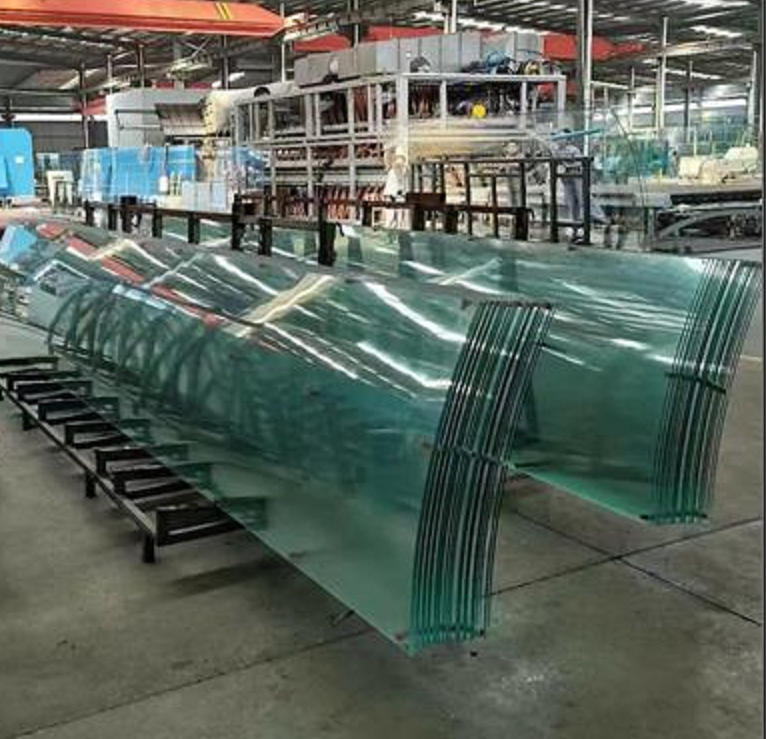
Getting Infrared Heat Right for Wide-Format Low-E Lines
Most infrared lamps stop at about 1.5 or 2 meters. That sounds like plenty, but when you’re running wide-format Low-E glass, those little gaps between the lamps become a real headache. You get cold spots. And cold spots mean the coating doesn’t stick the way it should. To fix this, we build continuous heating units that push past the 3-meter mark. No gaps, no guesswork. The struggle with voltage and power You can’t just stretch a quartz tube and call it a day. If you do, the electrical resistance climbs. You end up in a spot where the current draw is a nightmare, or the heat just isn’t strong enough to actually do the job. We handle this by using higher voltage setups. It keeps the heat steady across the whole length, so the glass is exactly where it needs to be before it hits the sputtering chamber. One heads-up: check your power supply. These long units pull a lot of juice. You’ll need heavy-gauge wiring, otherwise, you’ll see the voltage drop off by the time it reaches the end of the lamp. Keeping the quartz from snapping A 3-meter glass tube is a fragile thing. When it gets hot, it wants to sag under its own weight. We use high-purity quartz with a specific wall thickness to stop that bowing. But the frame is just as important. If the alignment is off, you get hot spots, and that’s how glass cracks. We use specialized clips that give the tube room to breathe. Quartz actually grows as it heats up. If the frame is too tight, the tube has nowhere to go—and it’ll snap. The trade-off Longer lamps are great because you have fewer seams, which means the heat is way more uniform. It just feels smoother. The downside? If one tiny section of a 3-meter tube burns out, the whole thing goes. You have to replace the entire unit. That’s why we suggest a modular mounting system. It lets you swap these units out quickly so you aren’t tearing apart your entire oven just to fix one lamp.