

Stop Wrestling With Individual IR Lamps
Let’s be honest: buying individual infrared lamps for glass tempering is usually a recipe for a headache. You spend hours messing with wiring, fighting to get the reflectors aligned, and then you still end up with those annoying cold spots that ruin a batch. It’s a slog. That’s why we stopped just selling components and started building complete, curved heating modules. Think of it as a drop-in replacement for your line. No tinkering required.
What’s actually happening under the hood
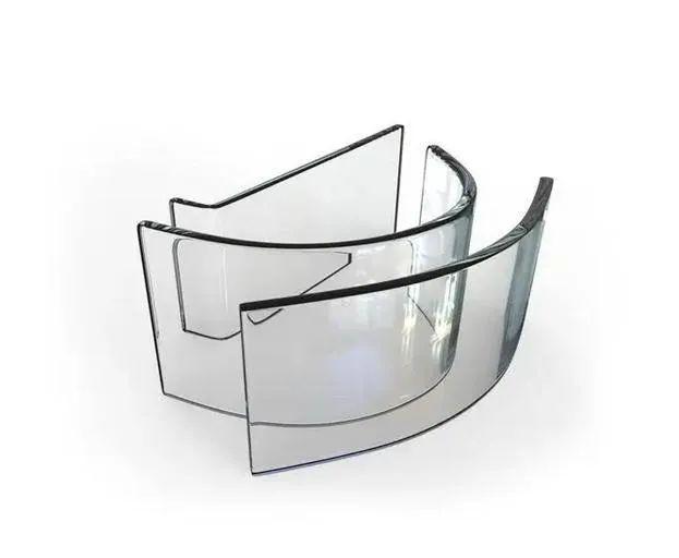
A lamp by itself is just a heat source. But a module? That’s a whole different animal. We take those quartz tubes and set them into pre-bent frames that follow the exact arc of your glass conveyor. Why does that matter? Because it means the heat actually hits the glass evenly. No guessing. We use shortwave infrared because it hits the glass fast. It penetrates the material quickly, which means your glass spends less time in the heating zone. We can tune these modules based on how thick your glass is and how fast your line is moving. Just a heads-up: you can go for high-wattage density, but keep in mind that the hotter it gets, the harder your cooling system has to work to keep the frame from warping.
Save your team the grief
Wiring up dozens of lamps by hand is a waste of a good afternoon. Our modules come pre-wired and tested before they even leave us. You just plug the module into your power rail and you’re good to go. Plus, we take care of the precision stuff. We align the lamps to the reflectors within millimeters. If you try to do that manually on a shop floor, it’s easy to be off by a hair. That tiny gap is what causes “striping” on the glass, and that’s usually when things start breaking during the quench.
The real talk on cost and setup
Here’s the deal: these systems make your footprint way simpler. If a module fails, you swap it out in minutes. You aren’t spending the whole shift replacing tubes one by one. Now, the trade-off is the price tag. A module costs more upfront than a box of loose lamps. But you make that money back pretty quickly through less downtime and fewer man-hours spent on maintenance. Just double-check that your electrical panels can handle the total amp draw of the integrated modules before you pull the trigger.