
Getting the Heat Right for Glass R&D
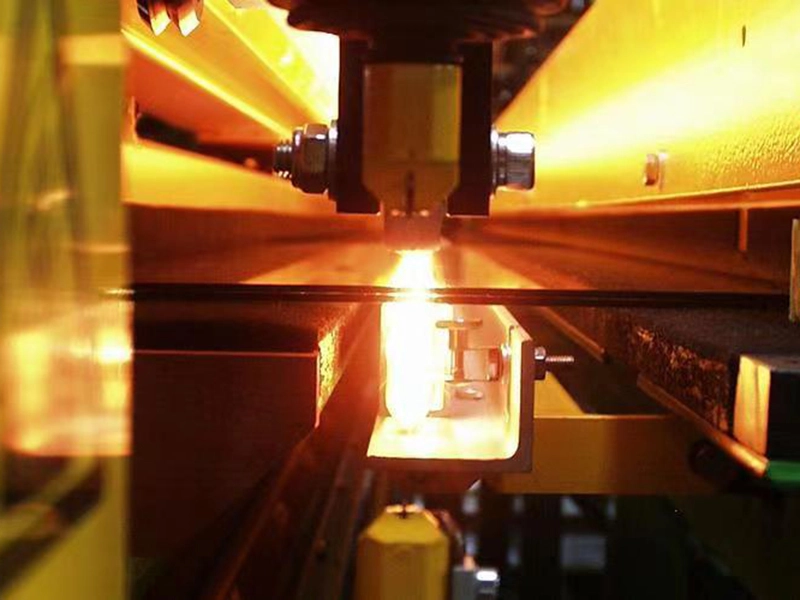
If you’ve ever tried using a standard, off-the-shelf infrared lamp for glass research, you know the frustration. They just blast heat evenly across everything. But when you’re developing new materials, “even” isn’t what you need. You need a specific thermal gradient. You need to control the internal stress and phase transitions of the substrate, and you can’t do that if the whole thing is just one big heat soak.
It’s More Than Just Size
Most vendors will ask if you want a different length or diameter. That’s fine, but it doesn’t actually solve the problem. We look at power density instead. By tweaking the filament winding pitch and the wattage per centimeter, we can build “hot zones” and “buffer zones” right into a single tube. It means you can hit those exact annealing temperatures in the middle of your sample without accidentally frying the edges. You just tell us the watts per millimeter your glass chemistry needs, and we build it. No more guessing games with your thermal cycling.
The Trade-off (The Part Nobody Mentions)
Here is the catch: when you cram a ton of power into a tiny footprint, the lamp housing takes a beating. If you go for an extreme thermal spike in a short tube, you have to make sure your cooling system can handle the reflected radiation. If you don’t keep the ends of the lamp cool, you’re looking at burnt-out connectors or seals that fail way too early. It’s a balancing act.
Making it Work in Your Lab
We want to give you some breathing room with your parameters. You won’t be stuck in some rigid voltage bracket. We’ll tune the resistance to match whatever power supply you’re already using, whether that’s a small benchtop prototype or a full-scale pilot line. The best part? These are drop-in replacements. You don’t have to rip out your heating chamber or rebuild your entire rig. You just swap the lamp to change the thermal profile. It makes iterating on new material compositions a lot faster—and a lot less stressful.