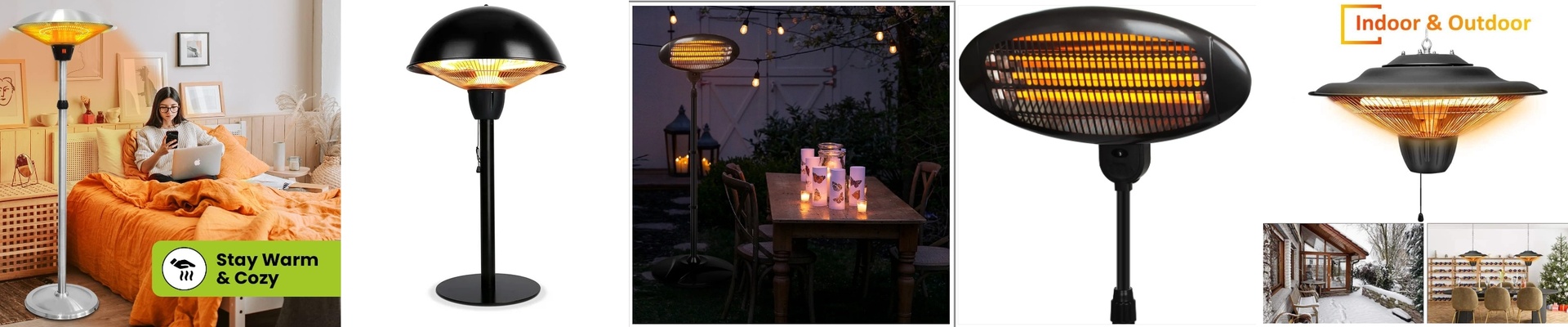
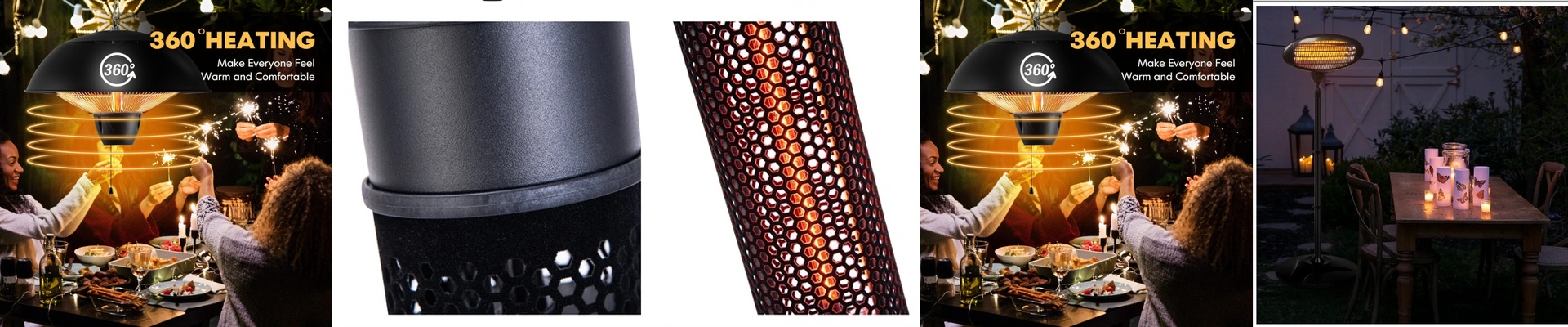
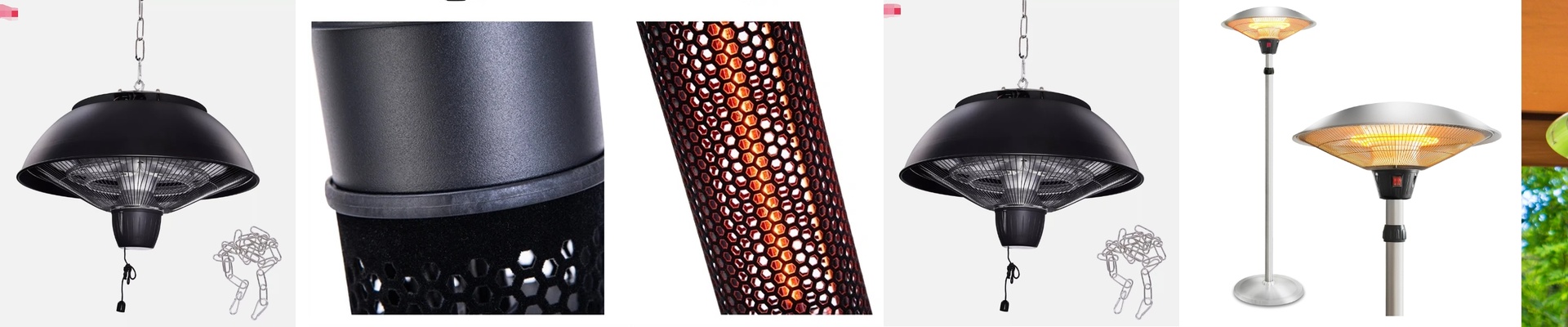
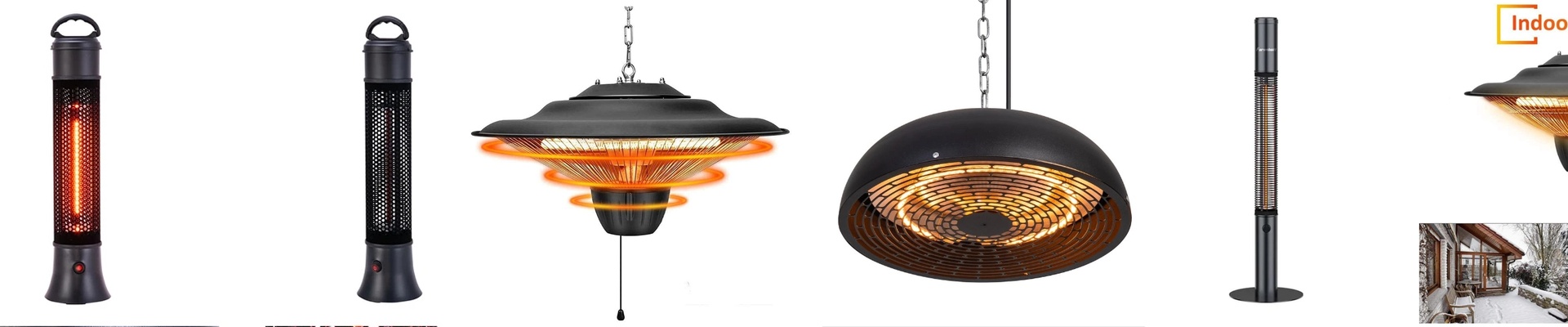
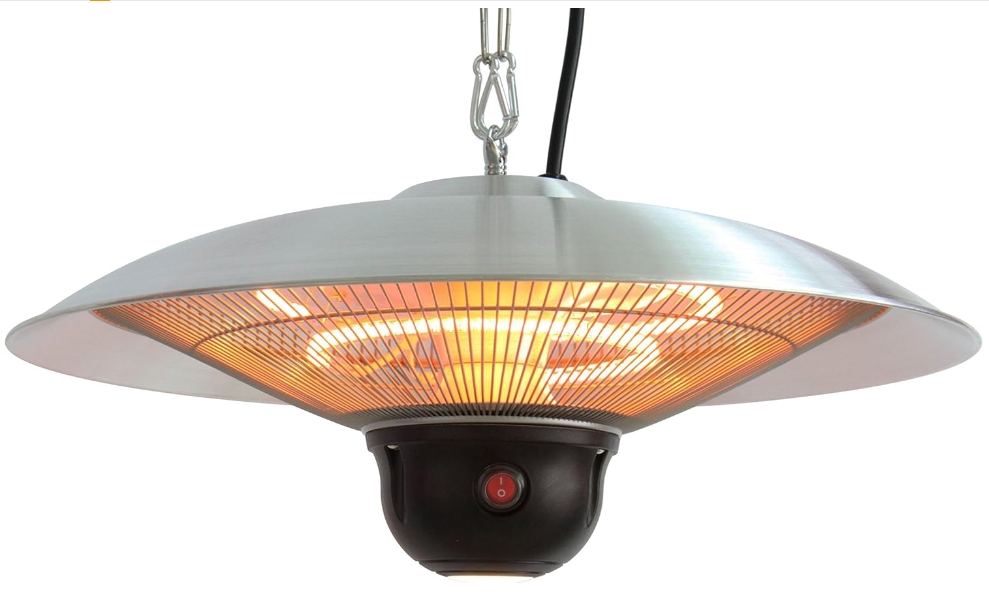
Getting Your Bathroom Warmth Just Right: A Guide to Infrared Wattage
Nobody likes stepping out of a hot shower into a freezing bathroom. It’s the worst part of the morning. To fix that, we use infrared heating, but the trick is getting the power right. You don’t want to turn your bathroom into a sauna, but you definitely don’t want a cold breeze hitting your back. First off, we always use IP44-rated gear. Why? Because bathrooms are wet, steamy places. These fixtures are built to handle the splashes and humidity without blowing a fuse or shorting out.
How much power do you actually need?
You can’t just grab any lamp and hope for the best. It all comes down to the size of the room. If you’ve got a tiny powder room (under 4m²), a 250W to 400W lamp is plenty. Go any higher and you’re just wasting electricity and overheating the space. For those mid-sized bathrooms (around 5-10m²), 600W to 800W is usually the sweet spot. Then you have the big master baths or rooms with those fancy high ceilings. For those, you’ll want 1000W or more. Honestly? I usually suggest installing a few smaller units across the ceiling instead of one giant one. It stops those annoying “cold spots” from popping up. One thing to remember: shortwave infrared doesn’t actually heat the air. It heats you and the surfaces around you. So, if your bathroom is full of marble tiles, you might be able to dial back the wattage. Marble holds onto heat like a sponge, which does a lot of the heavy lifting for you.
A quick warning on heat and space
That IP44 rating keeps the water out, but it can also trap heat inside the fixture. If you cram a powerful 1200W lamp into a tight ceiling mount, the housing can get way too hot. When that happens, the thermal cut-off kicks in and shuts everything down. To avoid that, just leave about 10cm of breathing room around the vent. Let the heat escape.
Speed vs. Power: The Trade-off
Here’s the deal: more wattage means you feel the heat faster. A 1200W lamp is almost instant. It’s like stepping into a beam of sunlight. But that comes with a spike in your electrical load. If you’re putting a few of these on one circuit, keep an eye on your breaker. I’ve found that using three 400W lamps spread out often feels much more natural and comfortable than one 1200W blast. It takes a bit more wiring, but the result is a warm, cozy room rather than one “hot zone.”