
Making Smart Infrared Heaters That Actually Survive the Bathroom
We build infrared heaters with an IPX5 rating because, let’s be honest, bathrooms, kitchens, and patios are messy. You’ve got splashes, steam, and the occasional stray spray of water. IPX5 is just a fancy way of saying we’ve sealed the housing tight enough that a water jet won’t fry the electronics inside. But the real magic happens when you hook these up to a smart home system. You aren’t just playing with a remote; you’re using a tiny, low-voltage signal to trigger a massive amount of heat.
The Hardware Side of Things
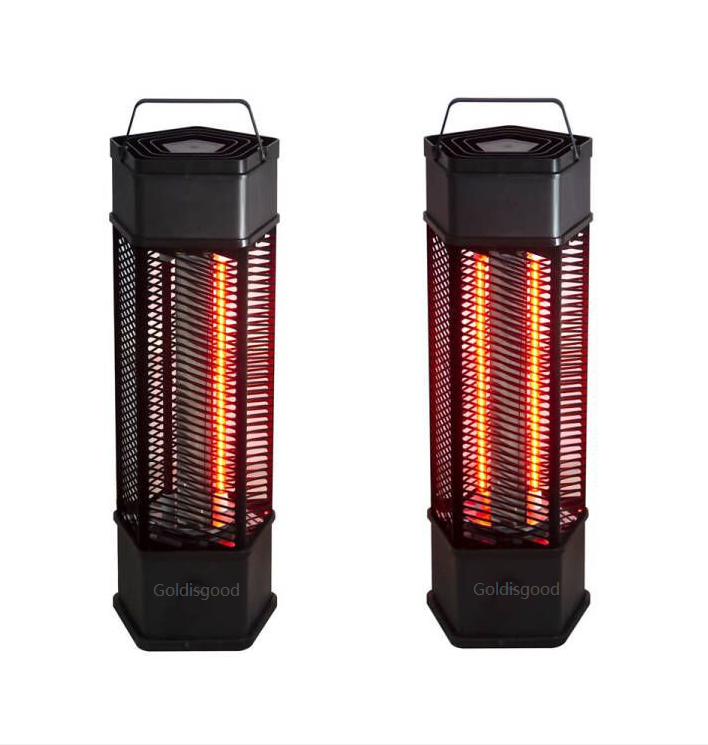
If you want that feeling of “instant warmth” the moment you step out of the shower, you need shortwave infrared. Instead of trying to warm up all the air in the room—which takes forever—these emitters beam heat directly onto you. It’s pretty simple: you tap a button on your phone, a Zigbee or Matter controller tells a heavy-duty relay to flip, and the heater hits full blast in seconds.It’s fast. Really fast.
Don’t Mess Around with the Power
Here is the thing: your smart home hub isn’t built to push 2000W of power. It just can’t. You need a dedicated power module to handle that initial surge of electricity. And please, don’t skimp on the wiring. If the cables are too thin, you’ll lose efficiency and the lines could actually overheat when the heater is running full tilt. We always suggest 2.5mm² cabling. It’s the safe bet.
The Give and Take
Shortwave IR is a bit of a blunt instrument. It’s basically an on-off switch. Because it heats up so quickly, the room can get way too hot if you aren’t careful. To fix that, you’ll want a PIR sensor or a good NTC thermistor to keep things in check. Without a way for the heater to “feel” the room temperature, it’ll just keep cranking until you’re sweating. You’re trading that soft, ambient glow of a traditional heater for raw speed and water resistance. We make sure the seals hold up against the moisture, but you’ve got to make sure your smart home logic has a hard thermal cutoff. Safety first.